REST Constraint #6: Code on Demand—When, Why, and How to Use It
Of all the REST constraints, Code on Demand is the one that most developers either overlook or actively avoid. Unlike the other five constraints, it is the only optional…
14 articles.
Of all the REST constraints, Code on Demand is the one that most developers either overlook or actively avoid. Unlike the other five constraints, it is the only optional…
Building a reliable, scalable web application is no easy feat. The internet is unpredictable, traffic surges happen, and security threats lurk around every corner.…
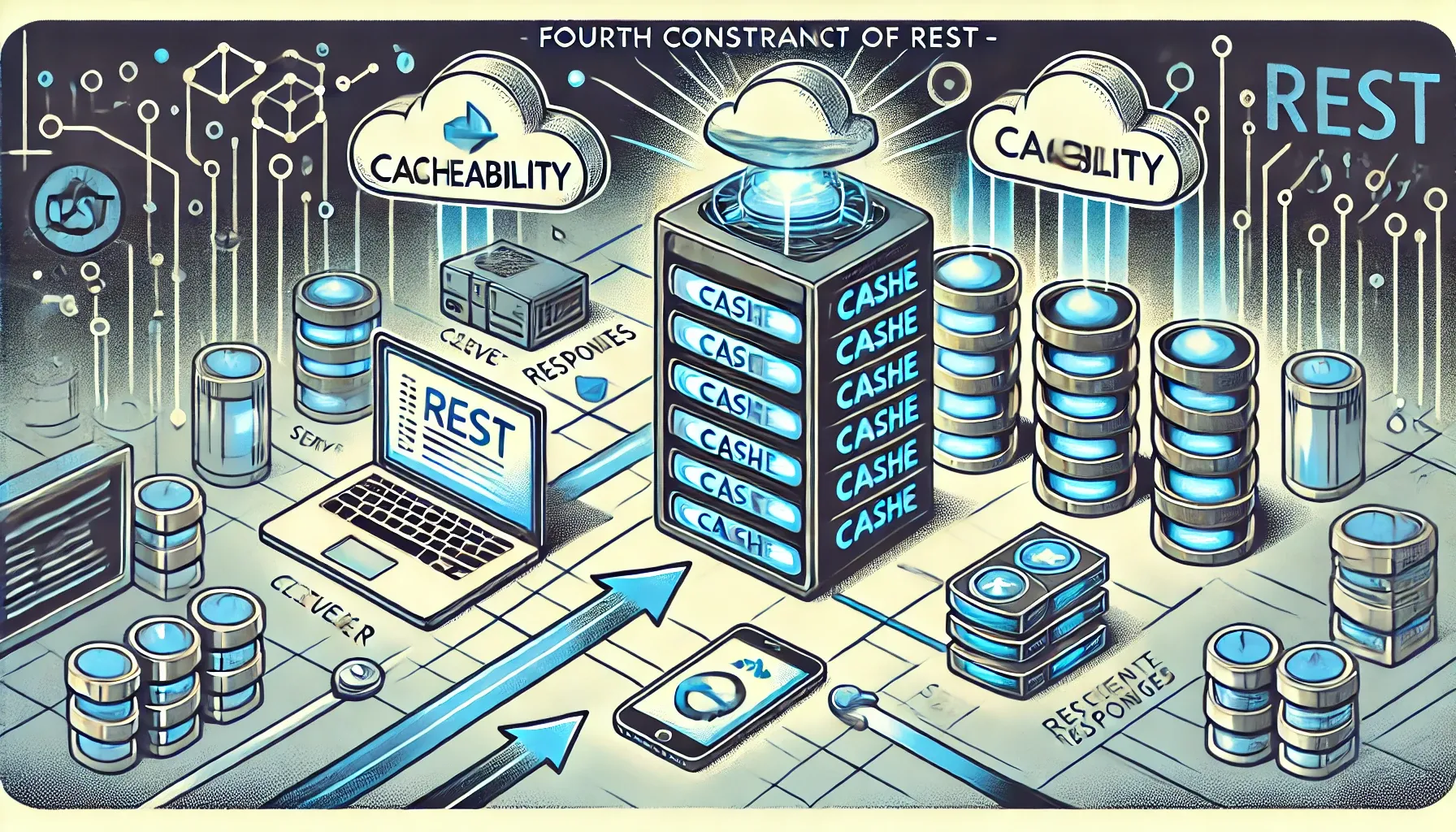
The internet is fast—until it’s not. Nobody likes waiting for a sluggish API response, and overloaded servers don’t help either. That’s where caching comes in. RESTful…
When it comes to building scalable web applications, statelessness is one of REST’s most powerful constraints. It simplifies architecture, makes scaling easier, and…
The internet as we know it thrives on separation—specifically, the separation of clients and servers. It’s a fundamental principle of REST and a key factor in building…
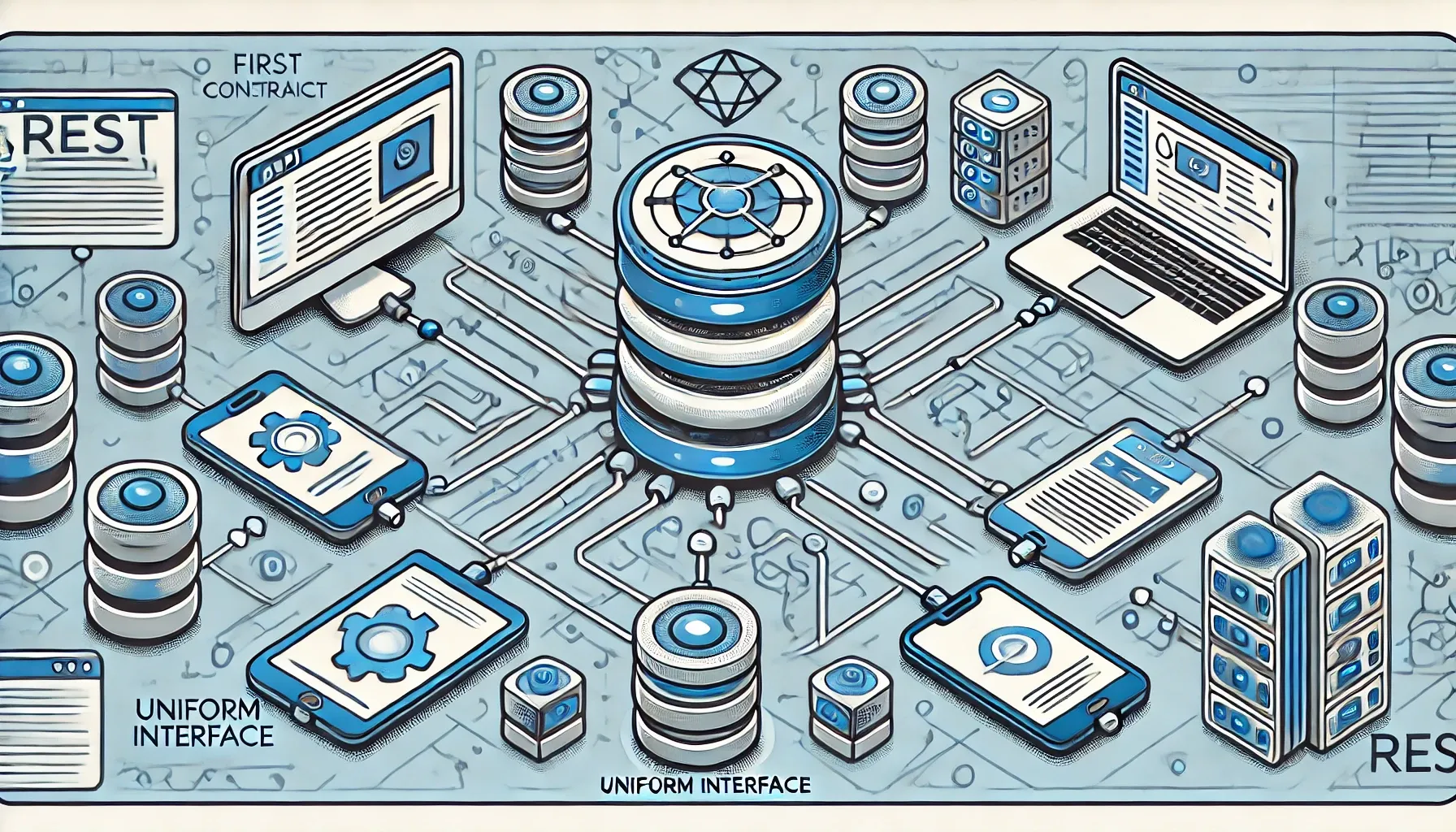
A well-designed REST API isn’t just a random collection of endpoints—it follows a set of principles that make it predictable, scalable, and easy to use. One of the core…
APIs are the backbone of modern applications, and getting their design right can mean the difference between an easy-to-use system and a frustrating mess. That’s where…
REST isn’t just a set of suggestions—it’s built on a strict set of architectural principles that make it scalable, flexible, and resilient. These six constraints define…
The internet runs on a lot of things—electricity, servers, cat videos—but when it comes to how web applications communicate, REST has been leading the way for over two…
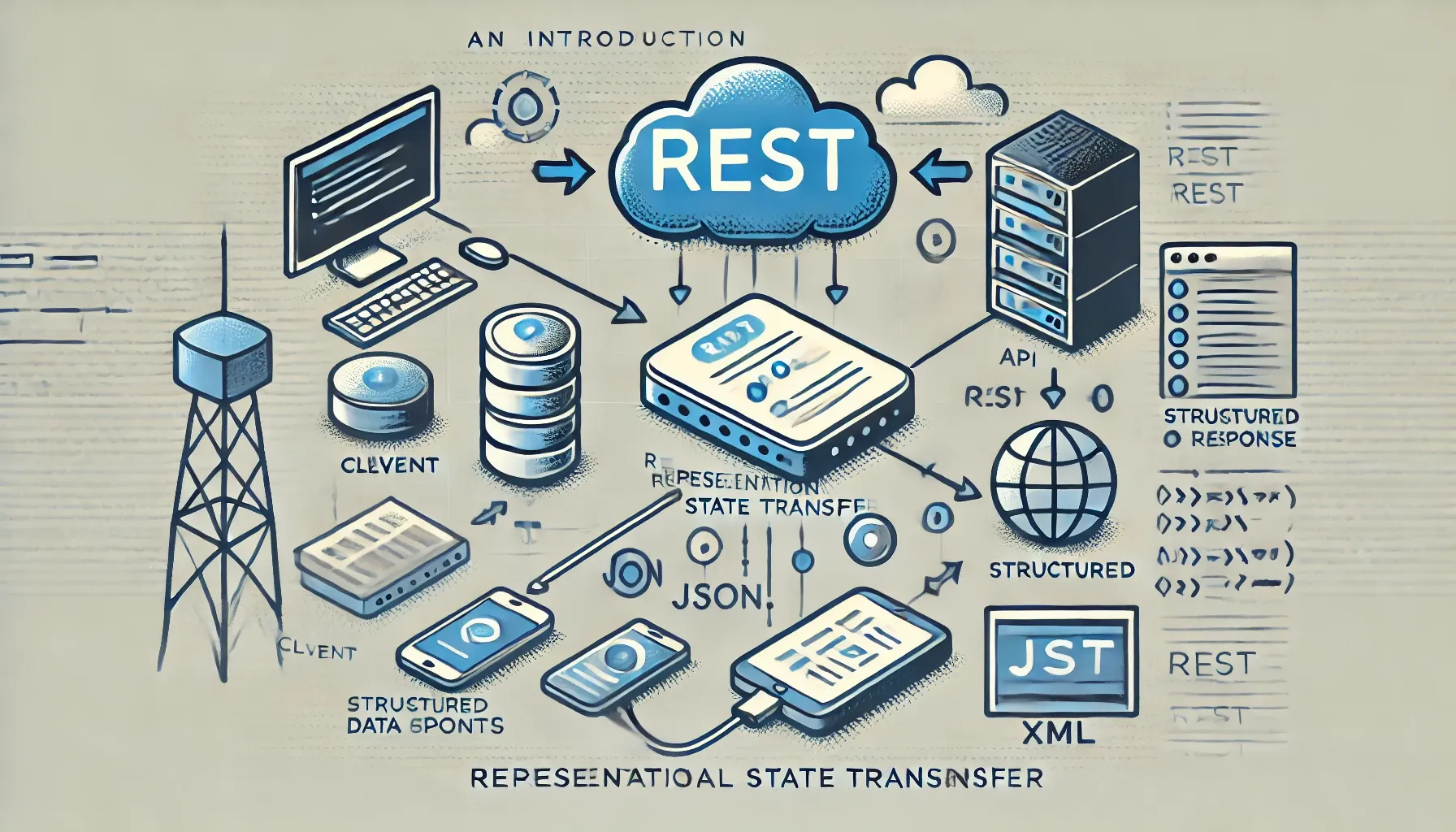
If you've worked with web services, you've probably heard of REST. It's everywhere—from APIs powering your favorite apps to backend systems handling millions of users.…
Every time you visit a website, your browser and the server have a little chat. Sometimes, that conversation goes smoothly; sometimes, there’s a misunderstanding, and…
When you visit a website, stream a video, or send a form, your browser and a server are having a conversation. But what are they actually saying? Every interaction on…
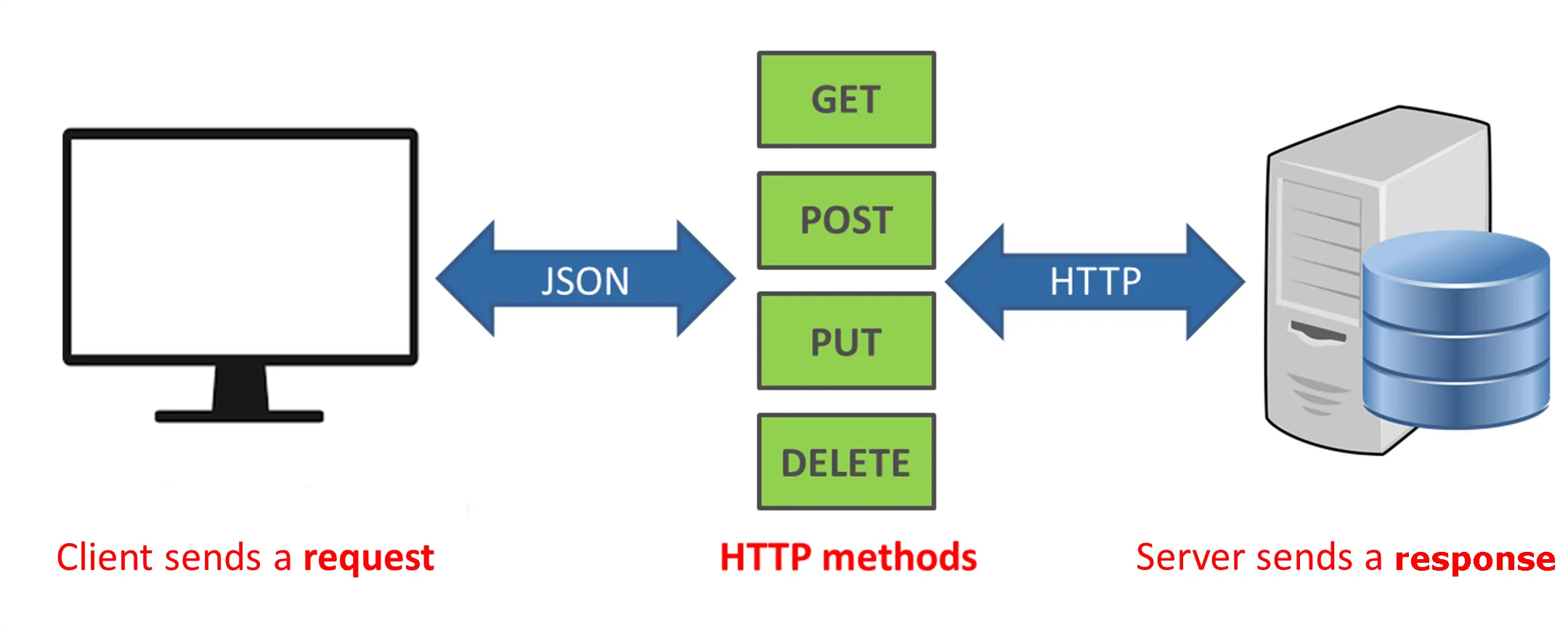
If HTTP were a language, its methods—also known as verbs—would be the action words that keep the internet running. Every time you load a webpage, submit a form, or…
The internet—our beloved realm of cat videos, memes, and, occasionally, productivity—wouldn’t be the same without HTTP. It’s the invisible magic behind every website you…