Bringing Simplicity-First to the Page: My Upcoming Book
I am excited to share some big news. In the second half of 2026, my new book, titled Software Architecture Made Simple: A 'Simplicity-First' Approach to Software in the…
38 articles.
I am excited to share some big news. In the second half of 2026, my new book, titled Software Architecture Made Simple: A 'Simplicity-First' Approach to Software in the…
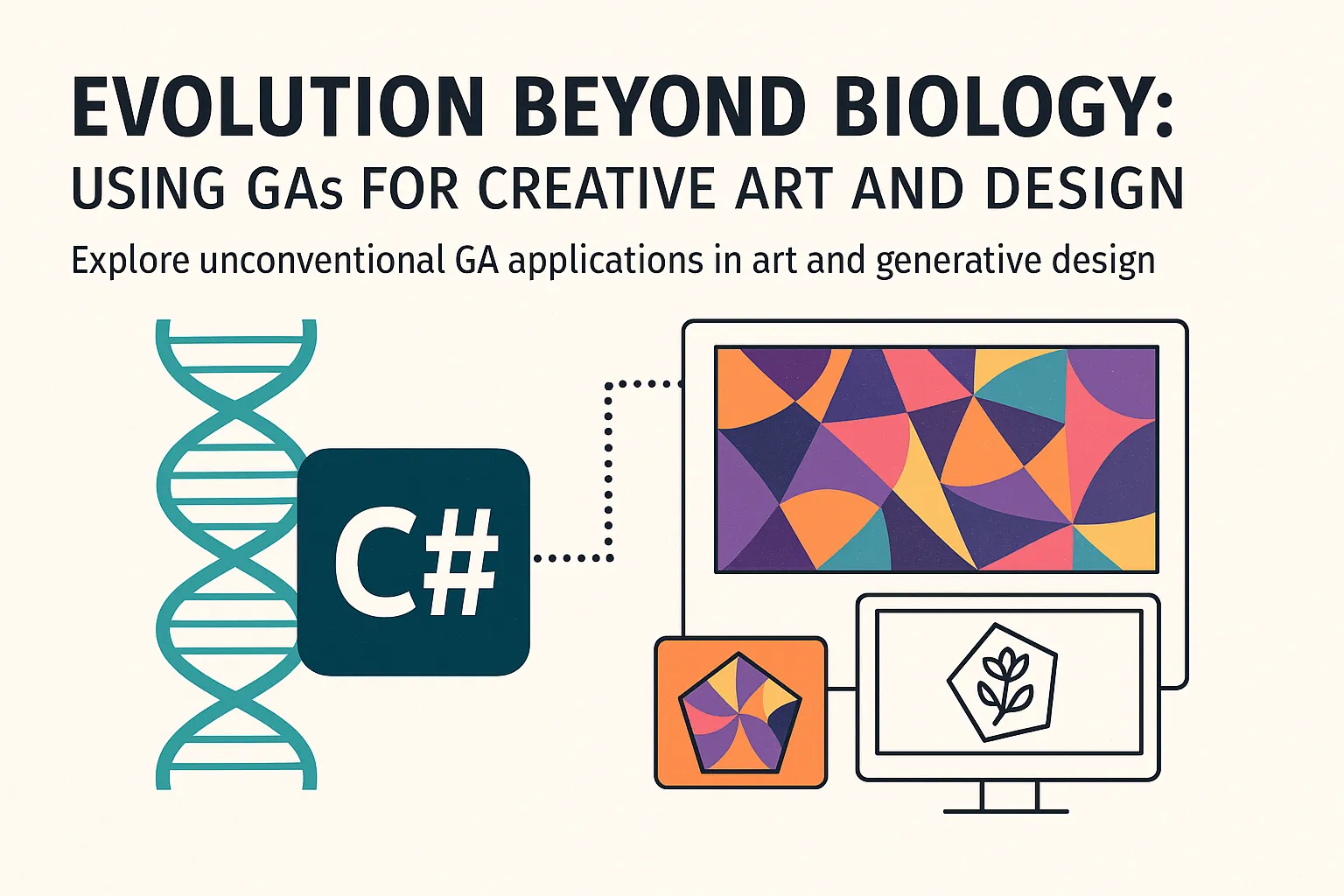
Genetic Algorithms are often associated with engineering, scheduling, or optimization problems, but their potential extends into the domain of art and design. When…
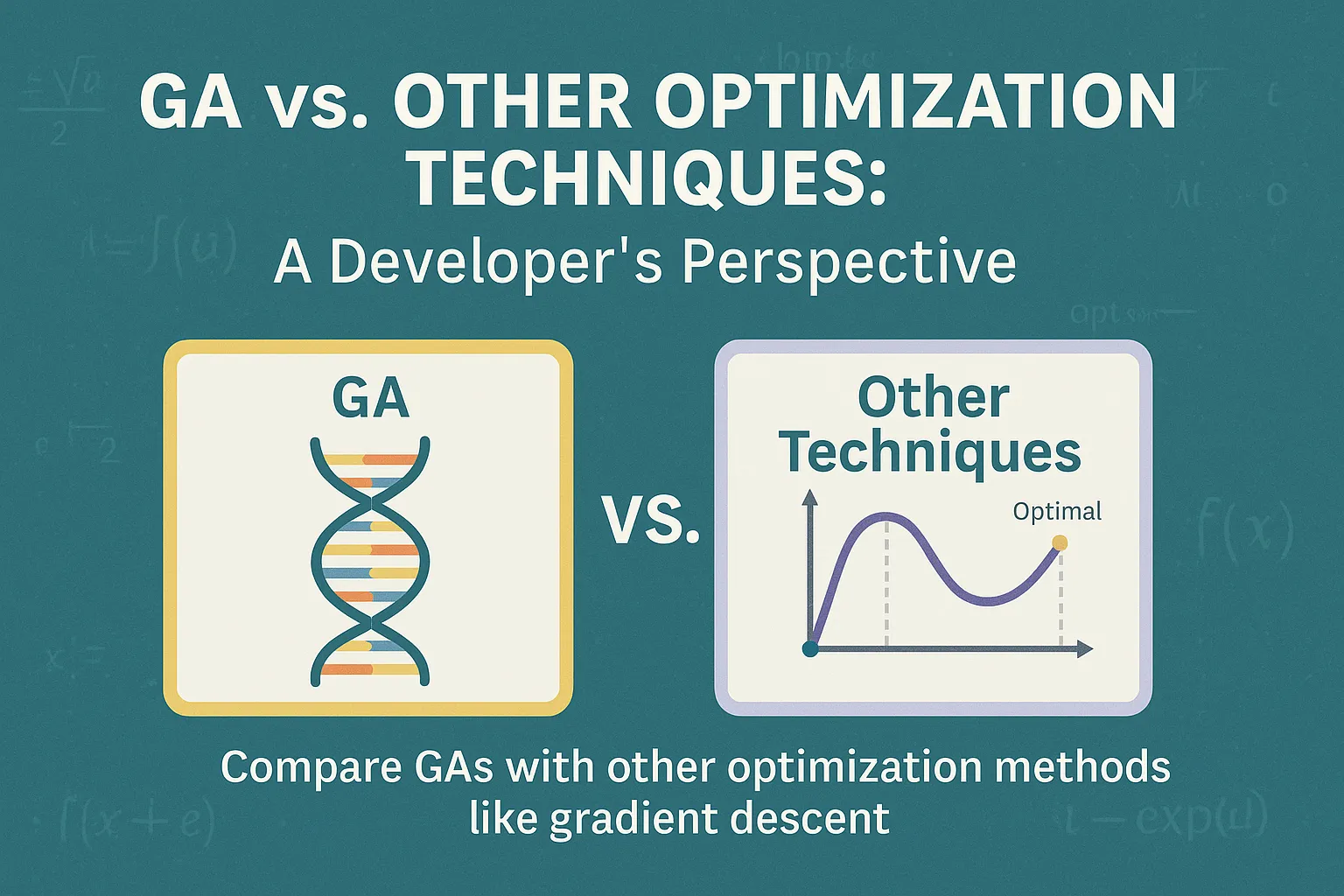
Genetic Algorithms (GAs) are a powerful optimization strategy inspired by the principles of natural evolution. But they are far from the only technique in a developer's…
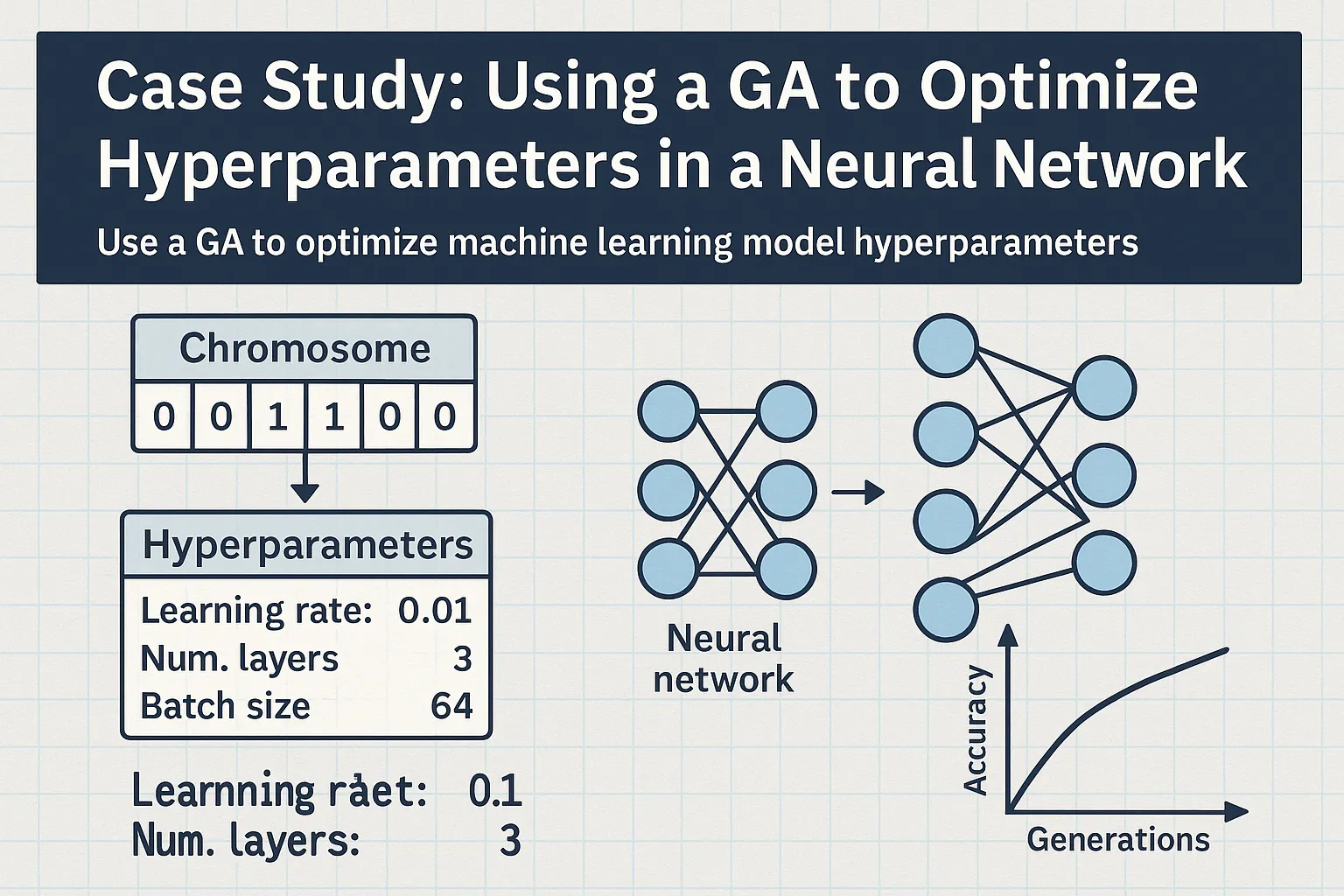
Tuning hyperparameters for machine learning models like neural networks can be tedious and time-consuming. Traditional grid search or random search lacks efficiency in…
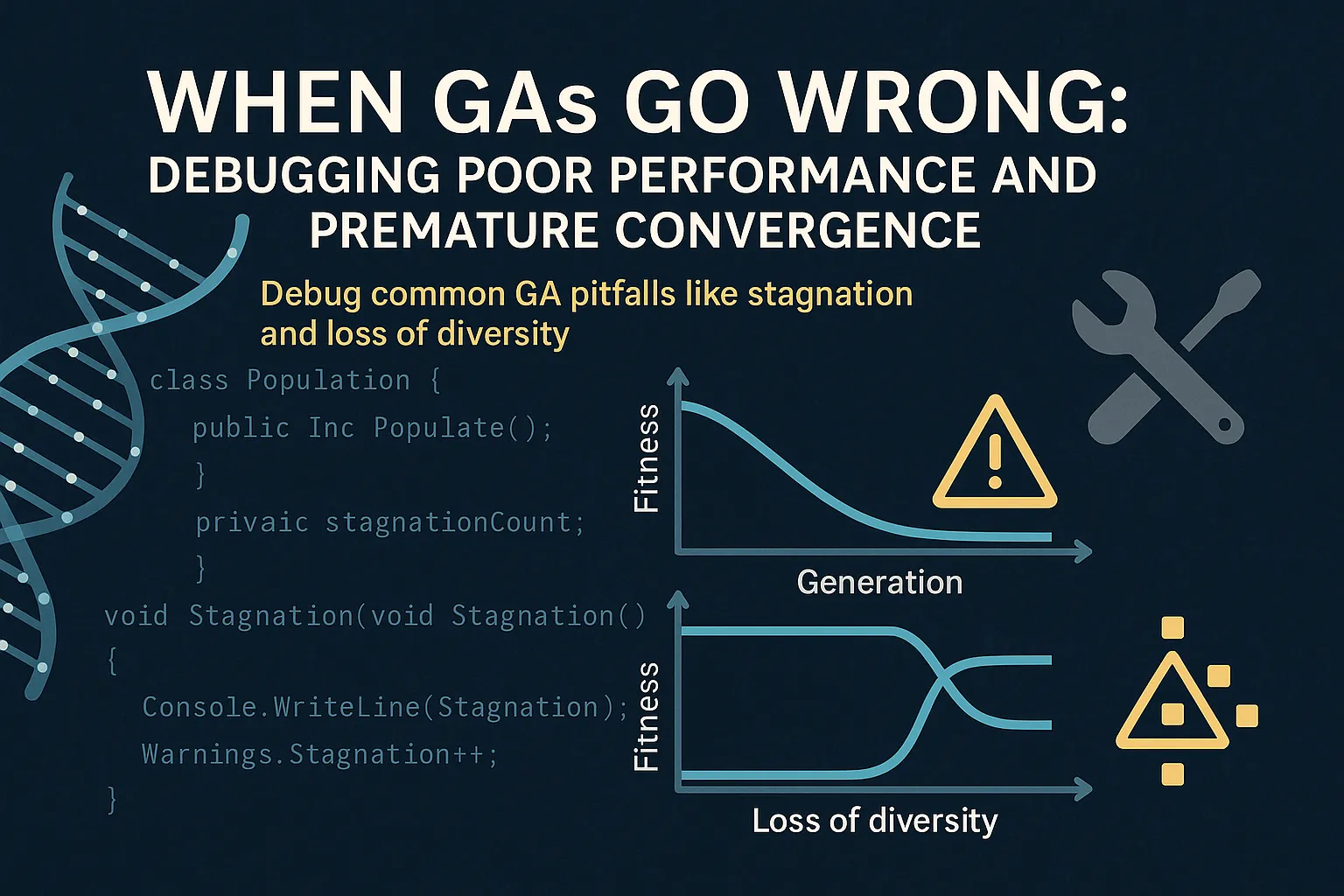
Even well-written Genetic Algorithms can fail. You might see little improvement over generations, results clustering around poor solutions, or a complete stall in…
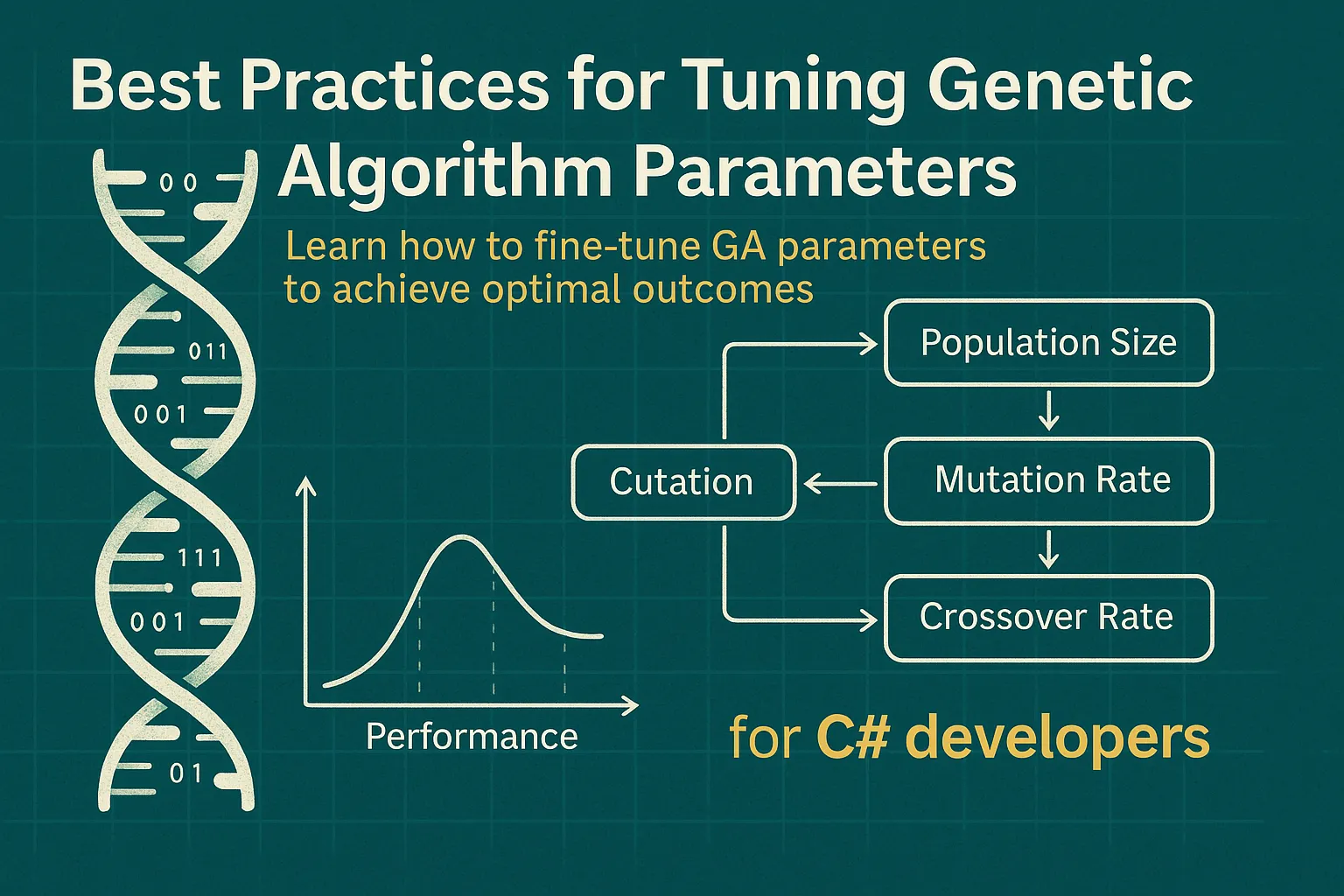
Genetic Algorithms (GAs) are flexible and powerful tools for solving optimization problems. However, their effectiveness relies heavily on the correct tuning of…
Genetic Algorithms are inherently stochastic. Mutation introduces randomness. Crossover combines genes in unpredictable ways. Selection strategies often rely on…
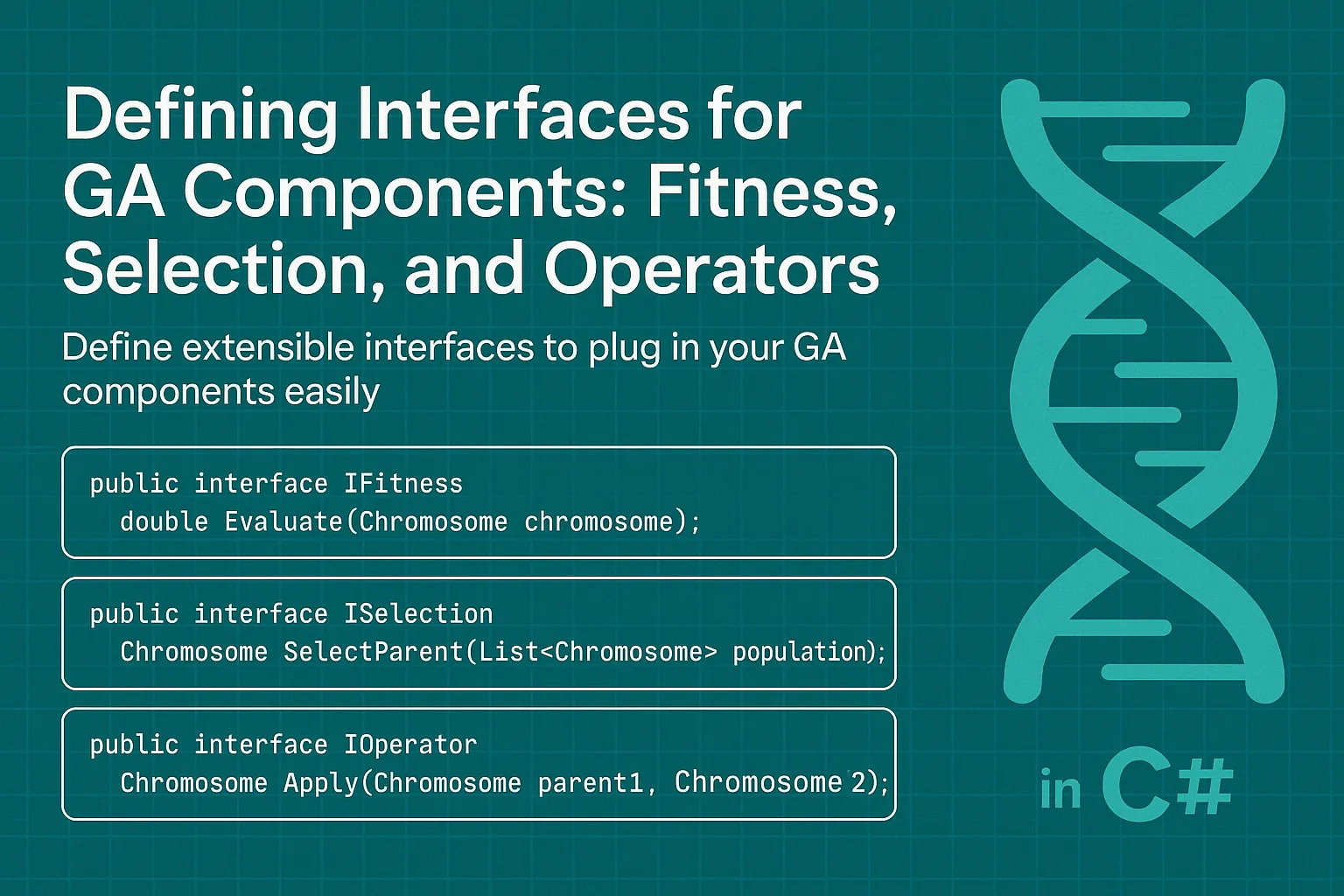
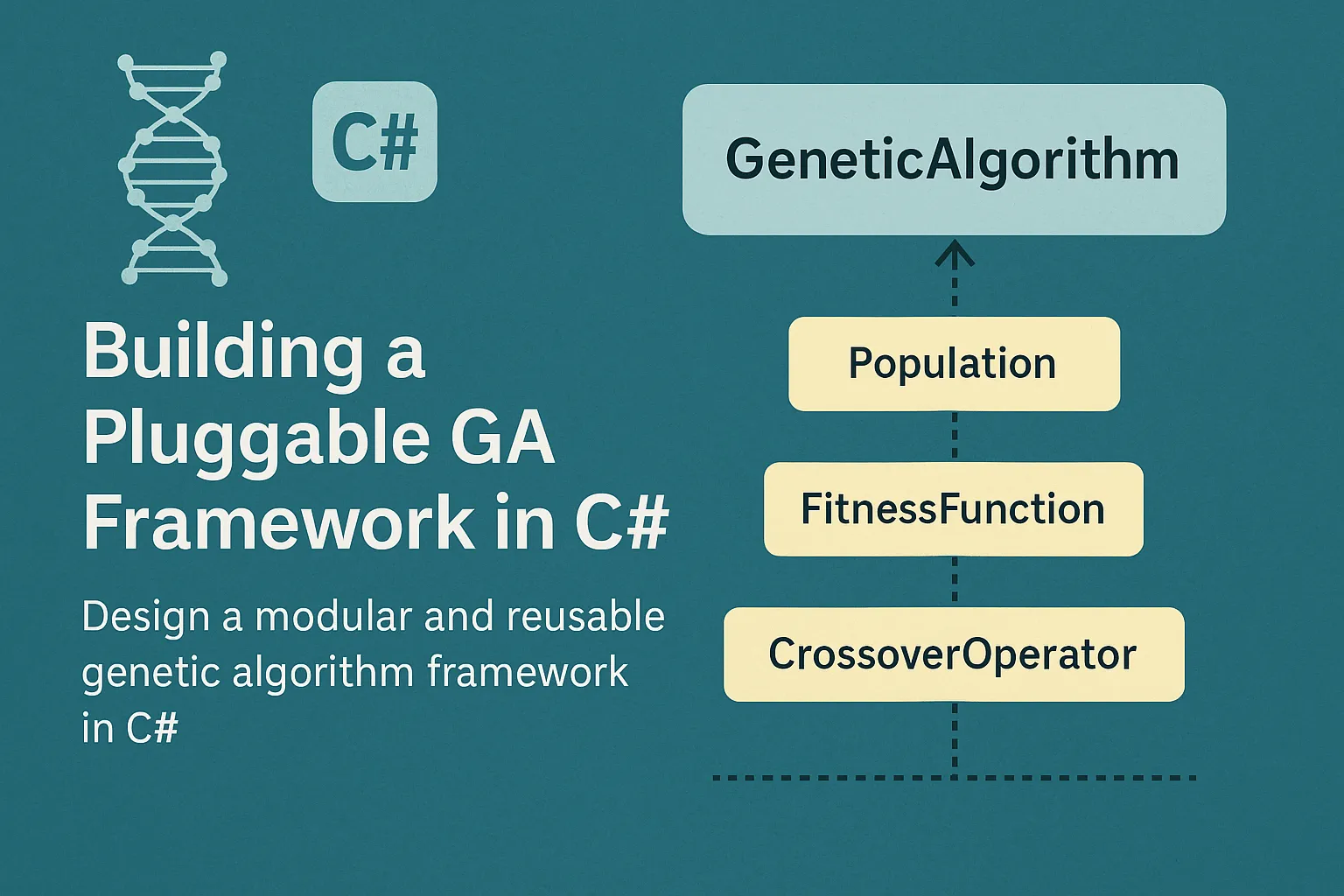
To build flexible and maintainable genetic algorithm solutions in C, a modular architecture is critical. Yesterday, we focused on designing a pluggable GA framework.…
As you reach the final week of our Genetic Algorithms series, it is time to shift from experimentation to engineering. Instead of writing one-off implementations…
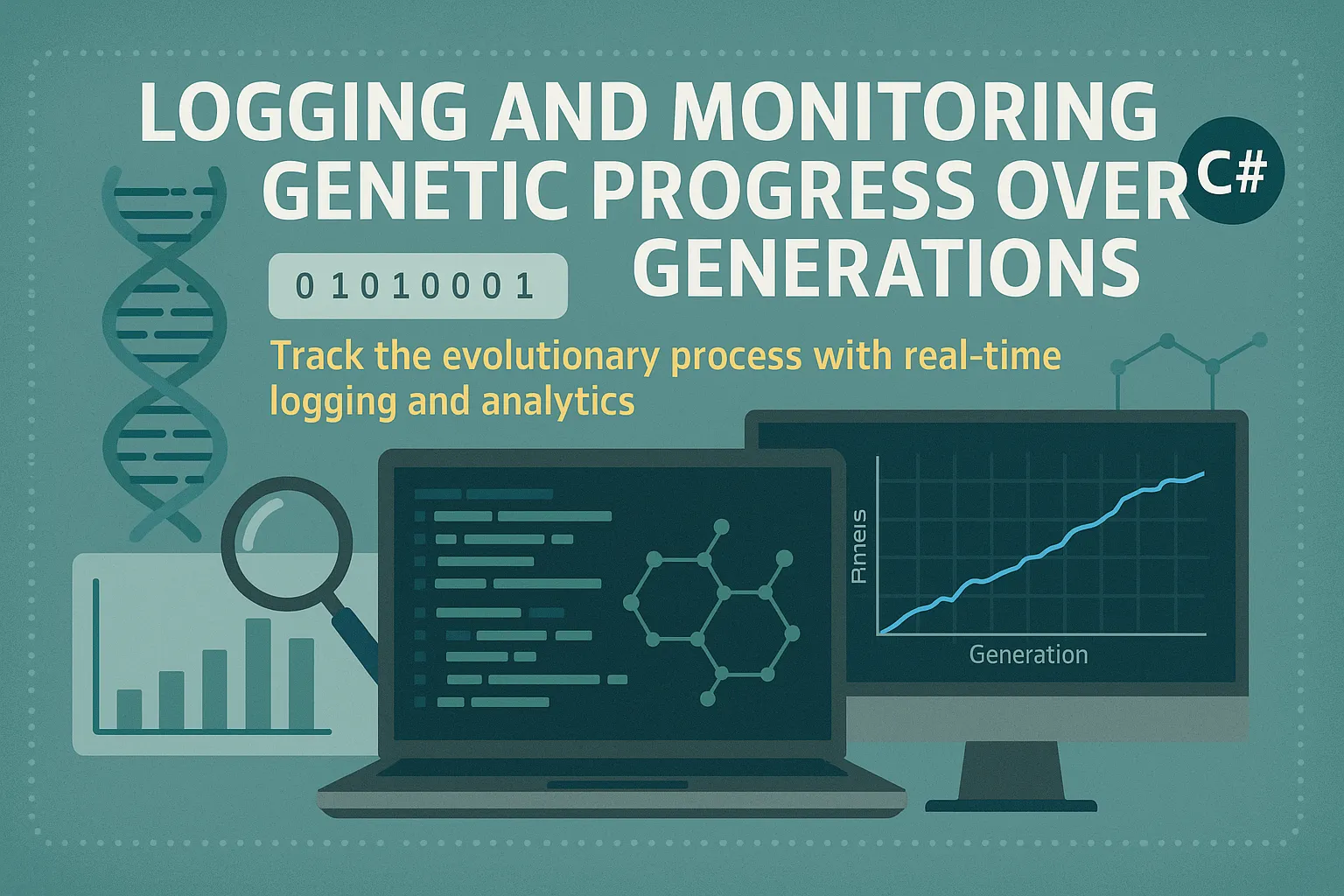
As your genetic algorithms become more sophisticated, it's no longer enough to simply observe the final output. Monitoring the evolutionary process in real time provides…
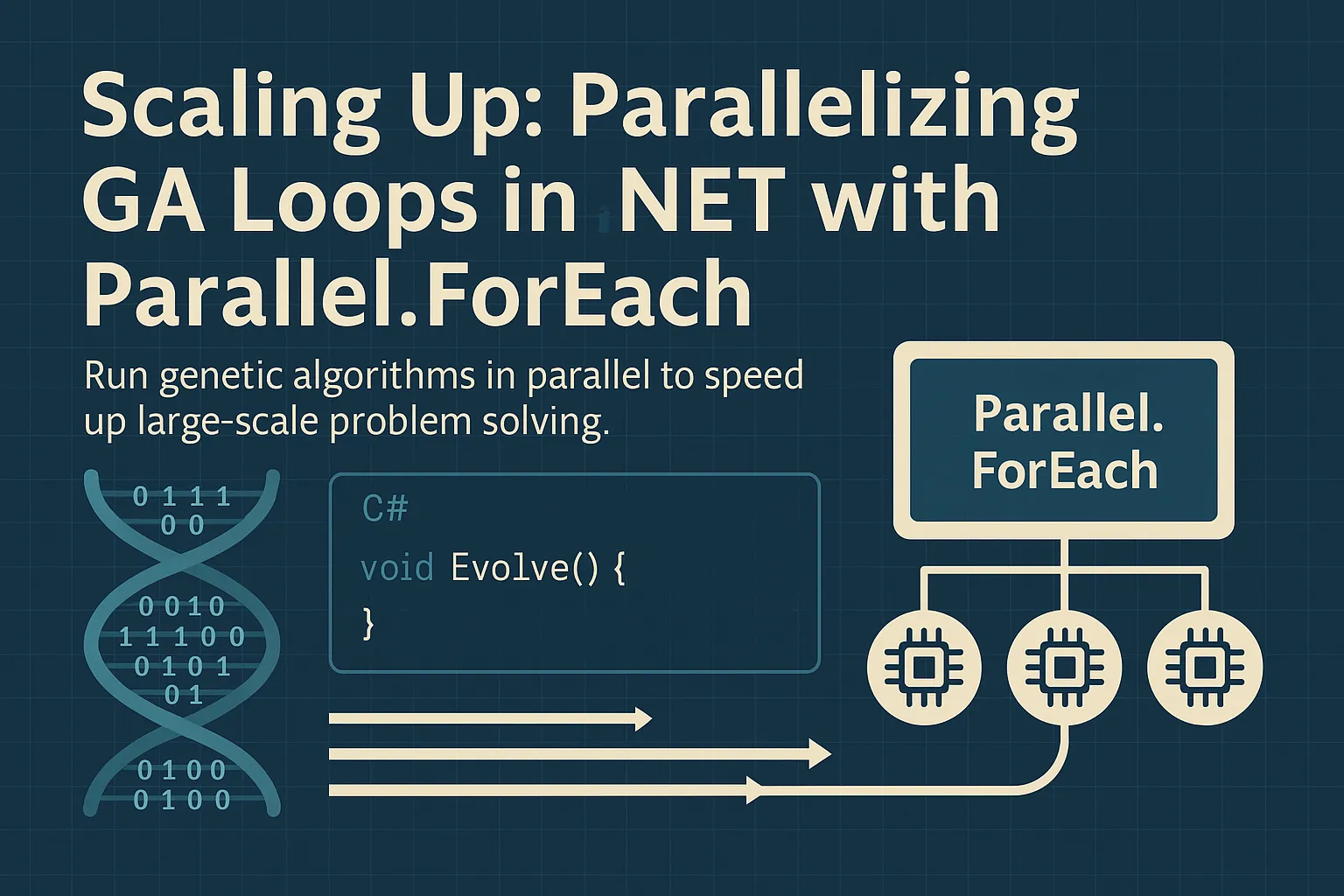
As your genetic algorithm workloads grow in complexity, compute-intensive tasks like evaluating large populations or running many generations can exceed what a single…
As problem complexity grows, so does the cost of evaluating and evolving populations in genetic algorithms. When each individual's fitness computation becomes expensive…
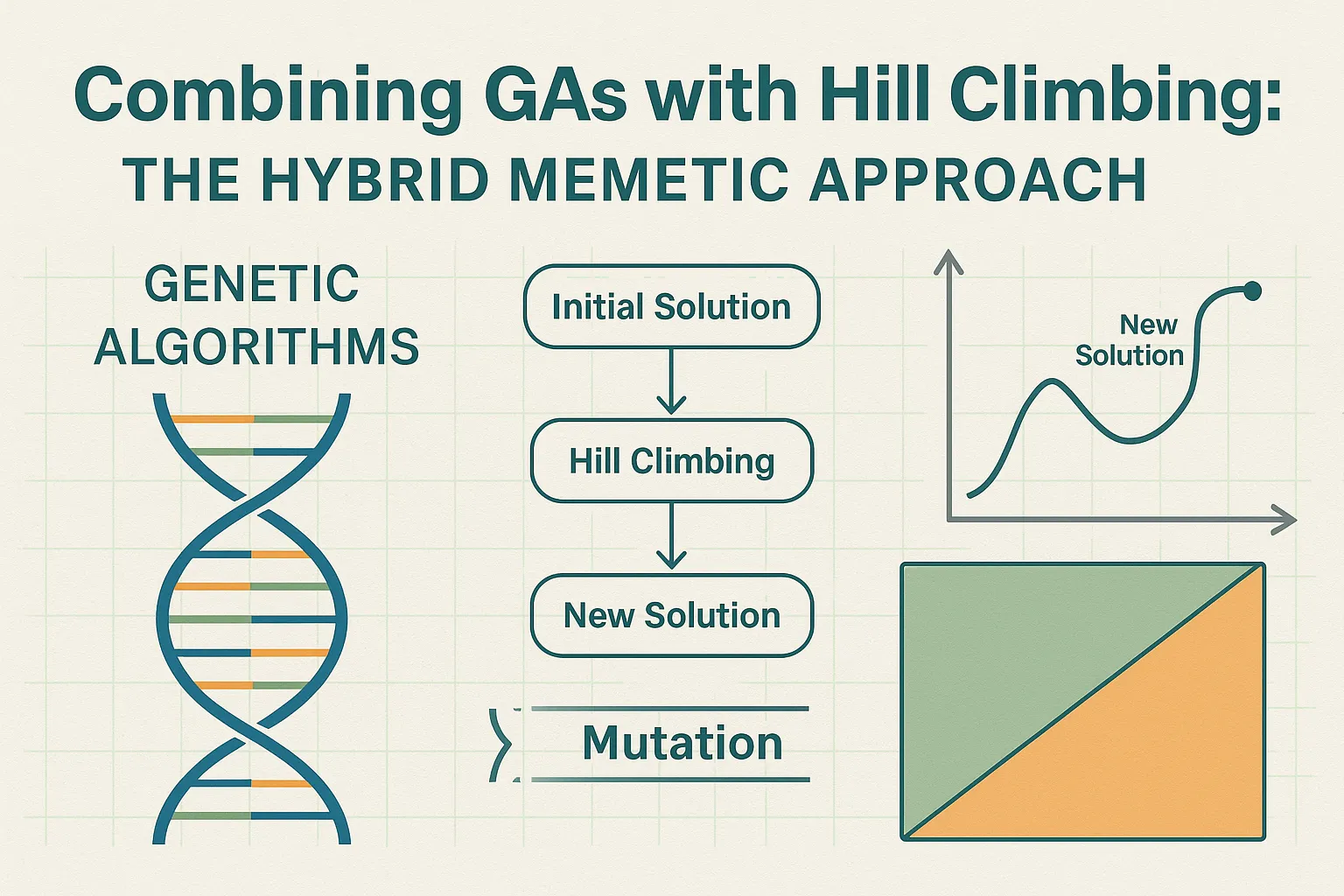
Traditional genetic algorithms (GAs) excel at global exploration across large search spaces. However, they can struggle to fine-tune solutions with high precision due to…
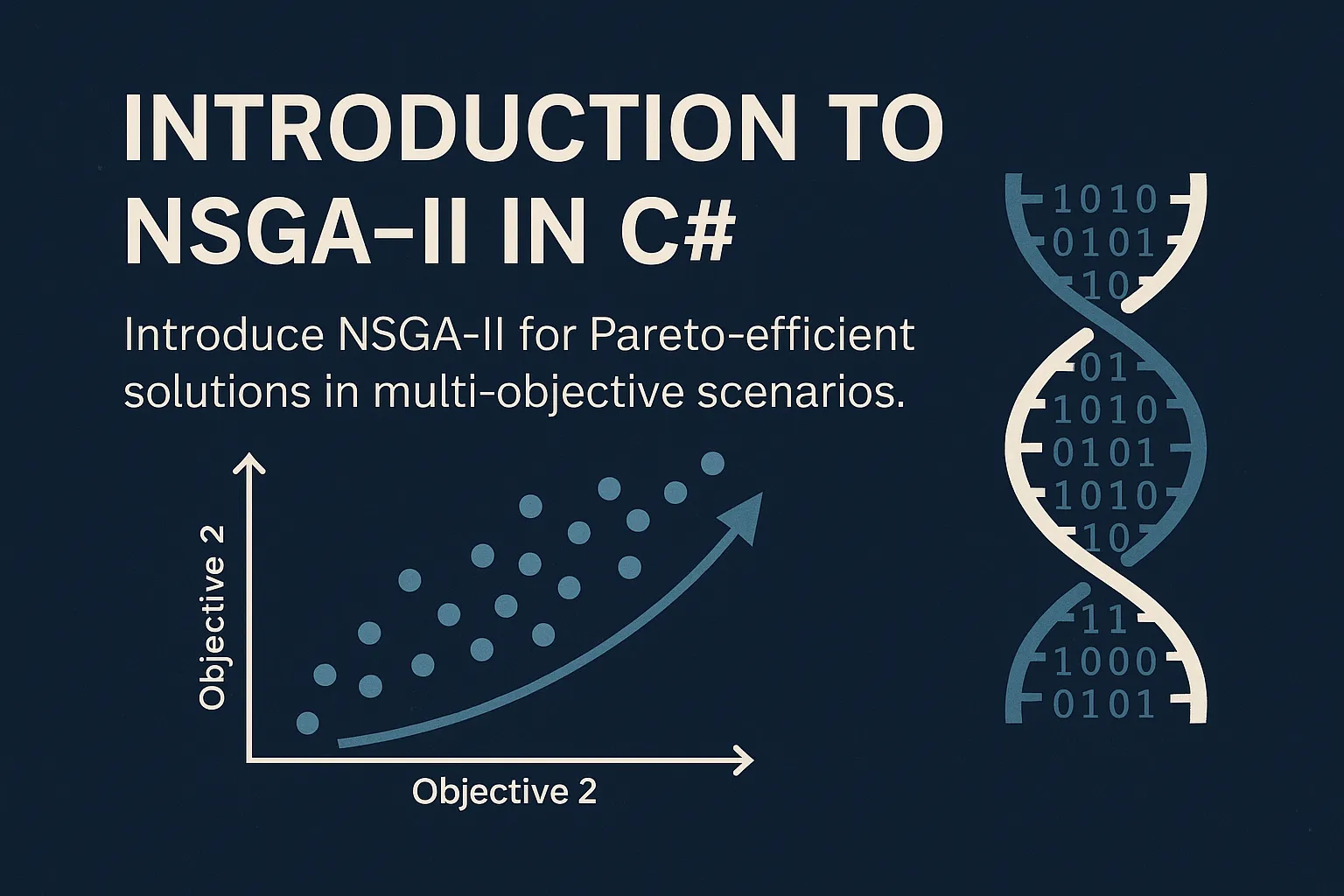
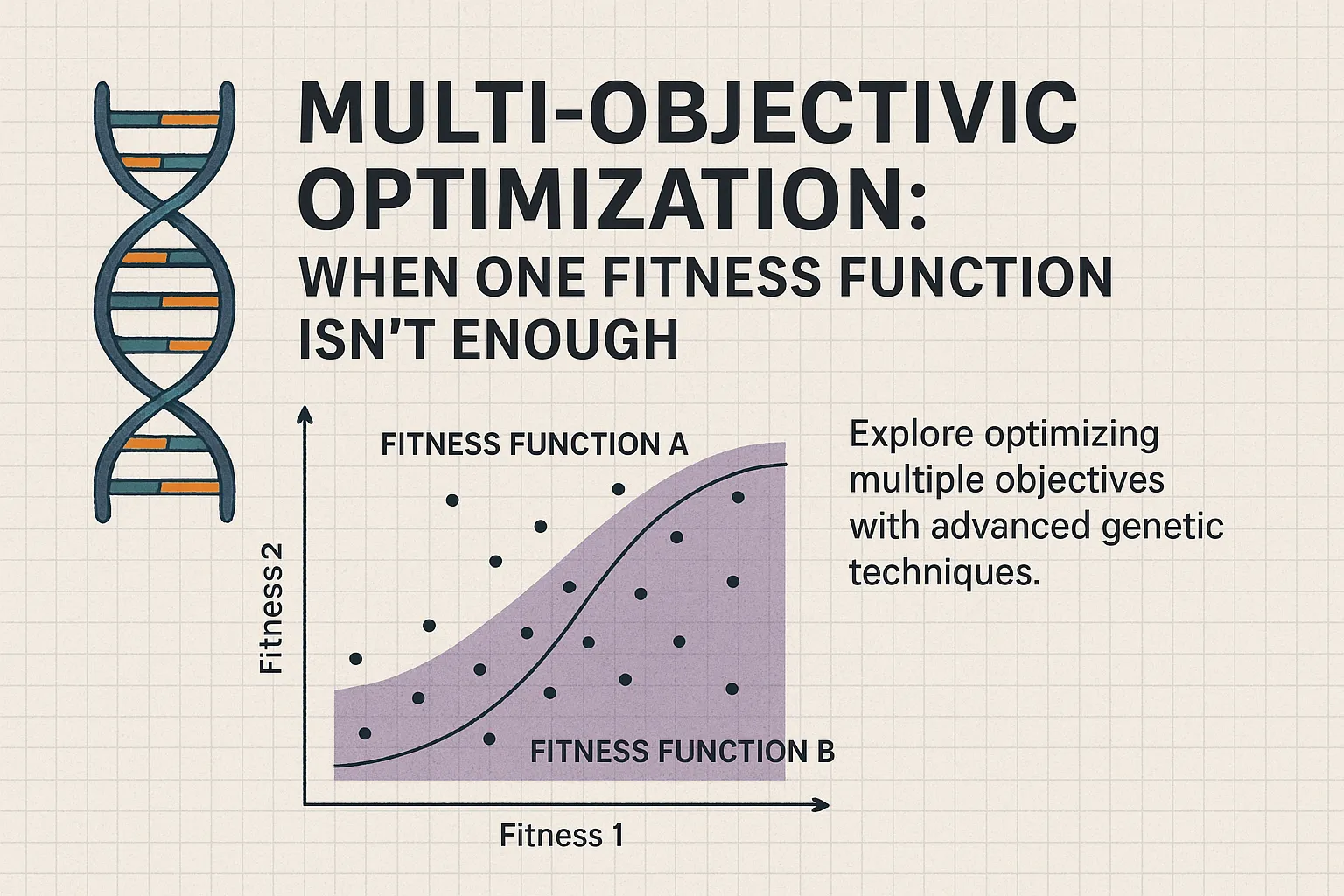
As we extend our use of genetic algorithms (GAs) beyond single-objective problems, we enter the realm of multi-objective optimization, where trade-offs must be made…
In many real-world problems, a single fitness function is insufficient to capture the complexity of the solution space. Applications in engineering, logistics, finance…
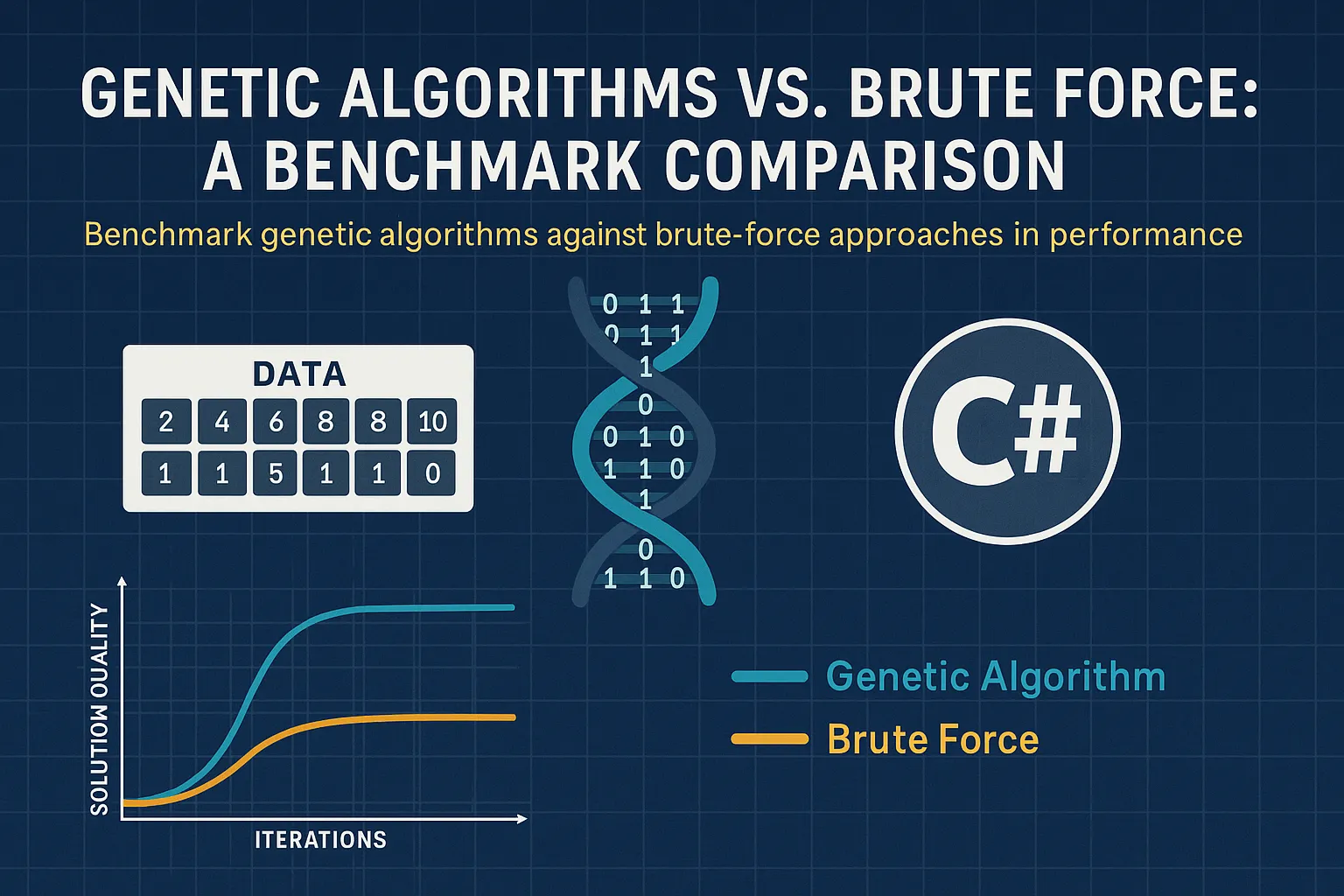
To conclude Week 3, let’s address one of the most common questions developers ask when learning about genetic algorithms: How do they perform compared to brute-force…
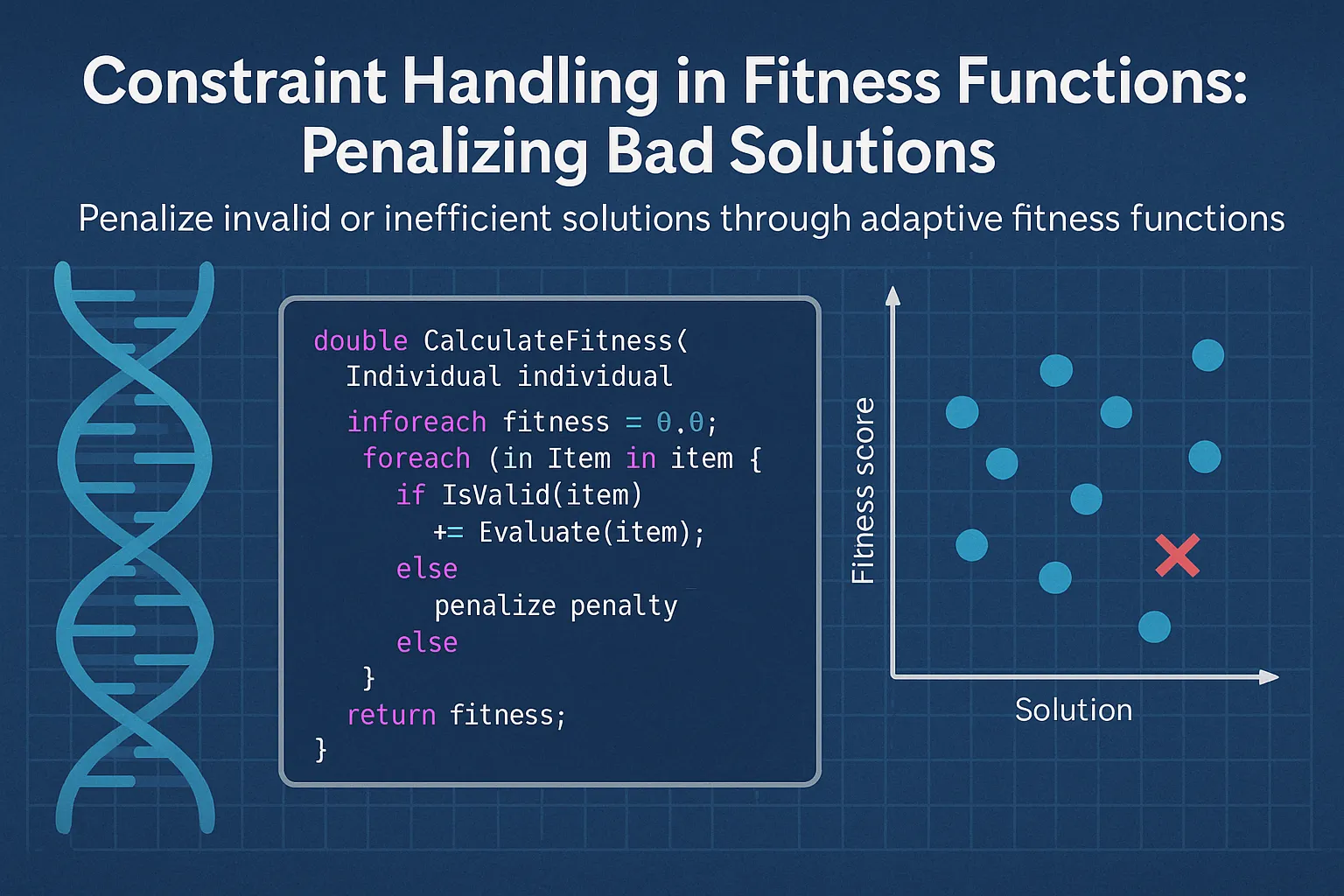
Genetic algorithms are powerful optimization tools, but real-world problems often involve constraints that cannot be ignored. In scheduling, routing, resource…
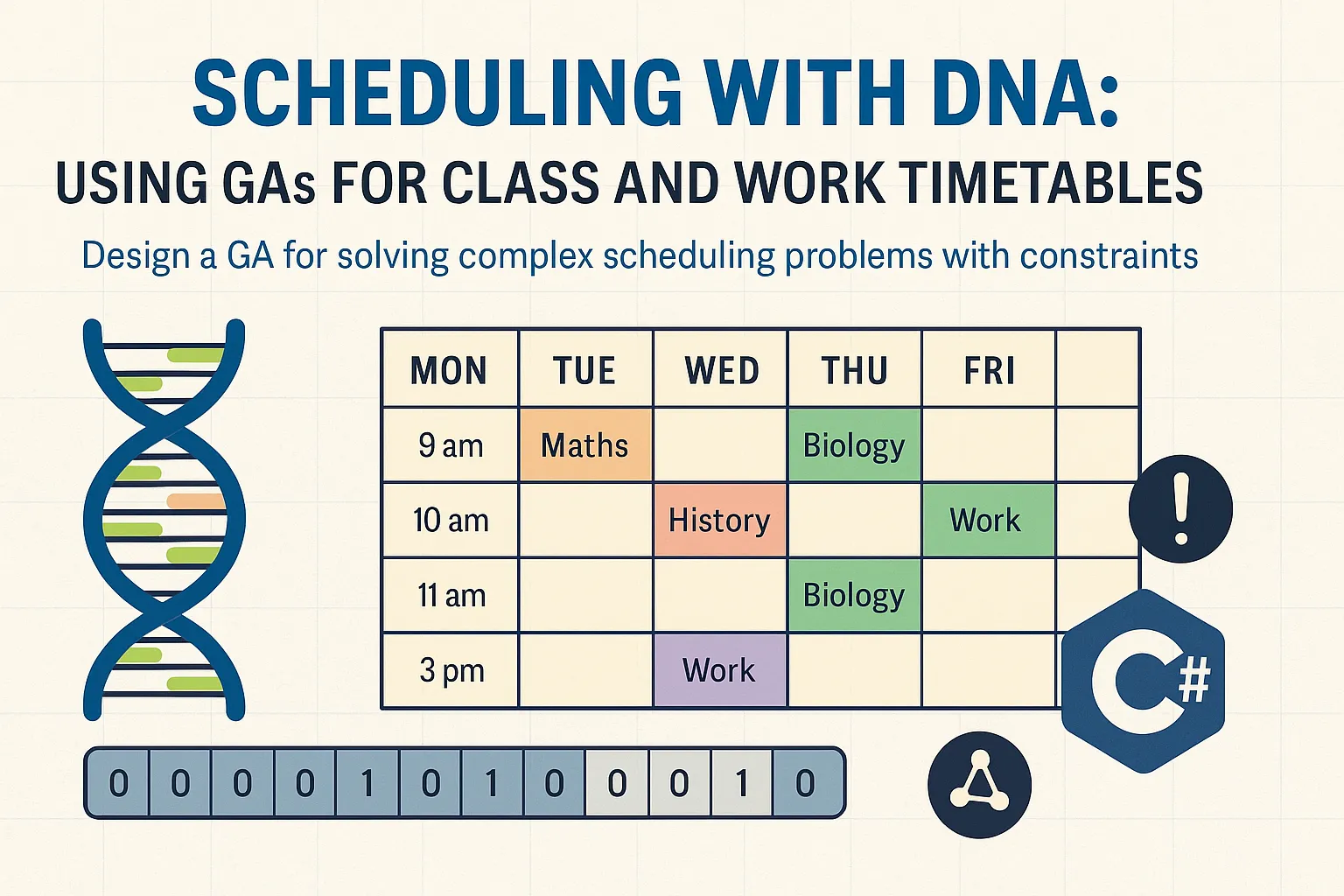
Scheduling is a classic example of a constraint satisfaction problem that often becomes too complex for brute-force or greedy solutions. Whether you're designing class…
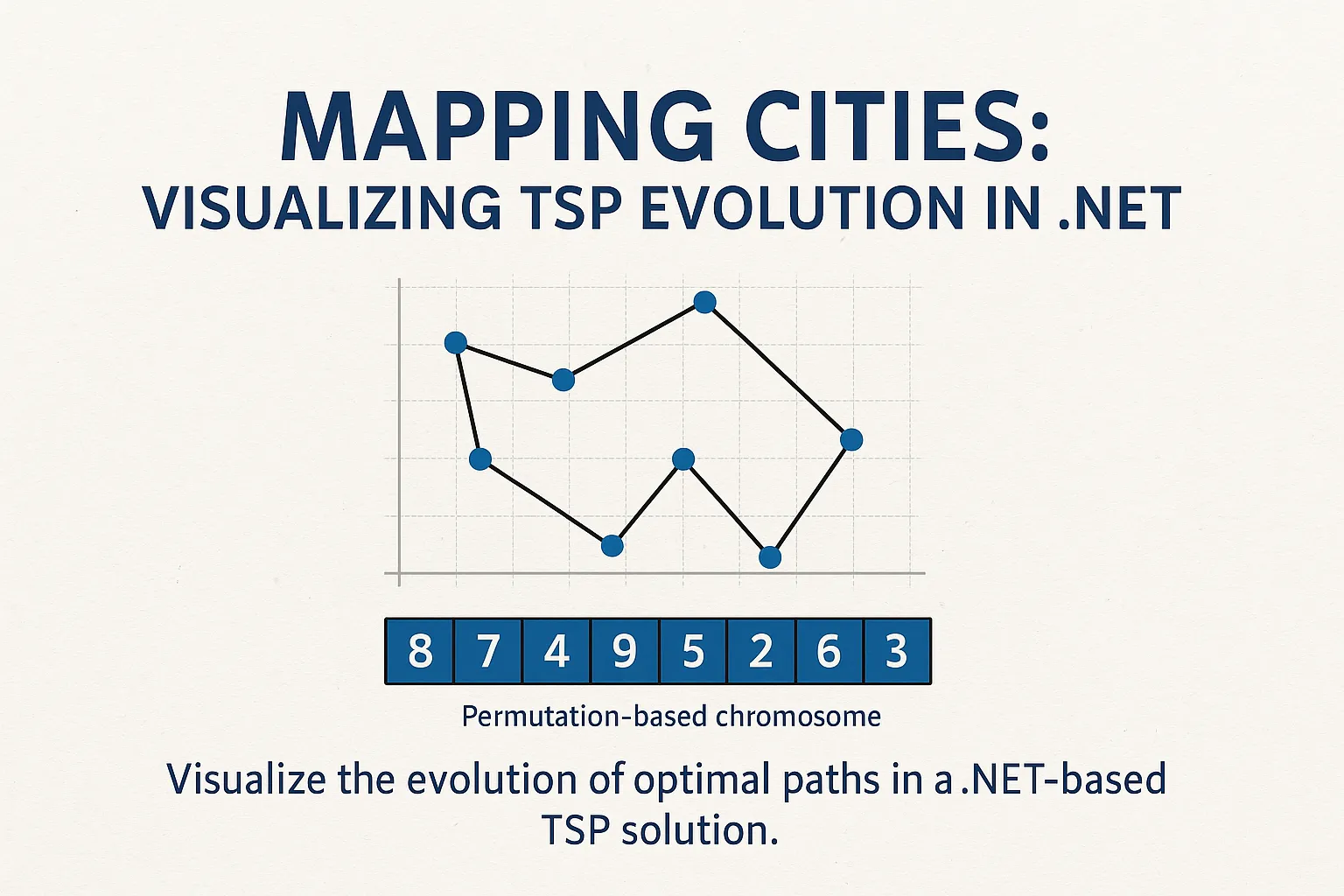
One of the most effective ways to understand the progress of a genetic algorithm is to visualize its evolution. When solving the Traveling Salesperson Problem, a…
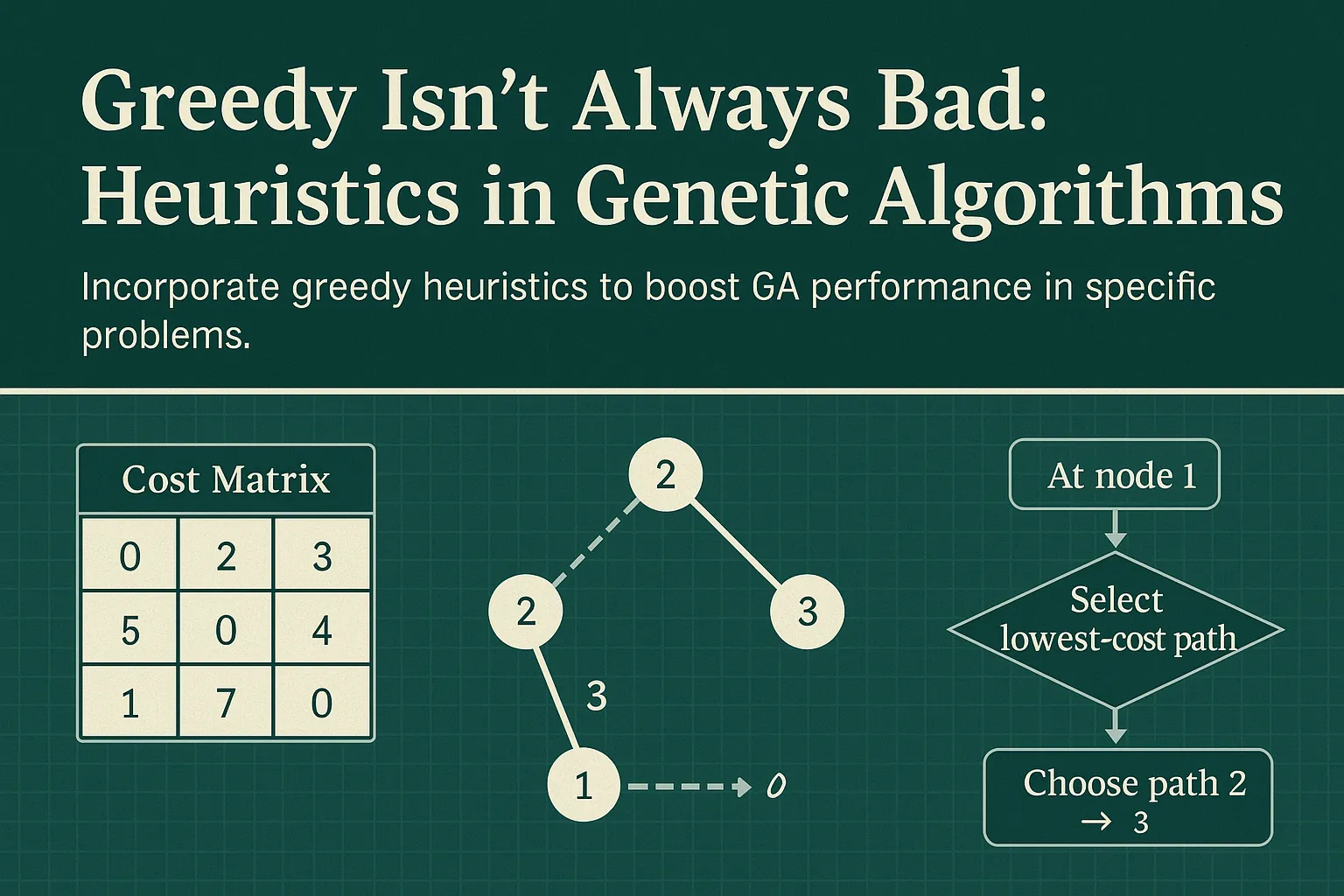
Genetic algorithms thrive on randomness and gradual improvement, but randomness alone often leads to slow convergence. While global search is essential to explore the…
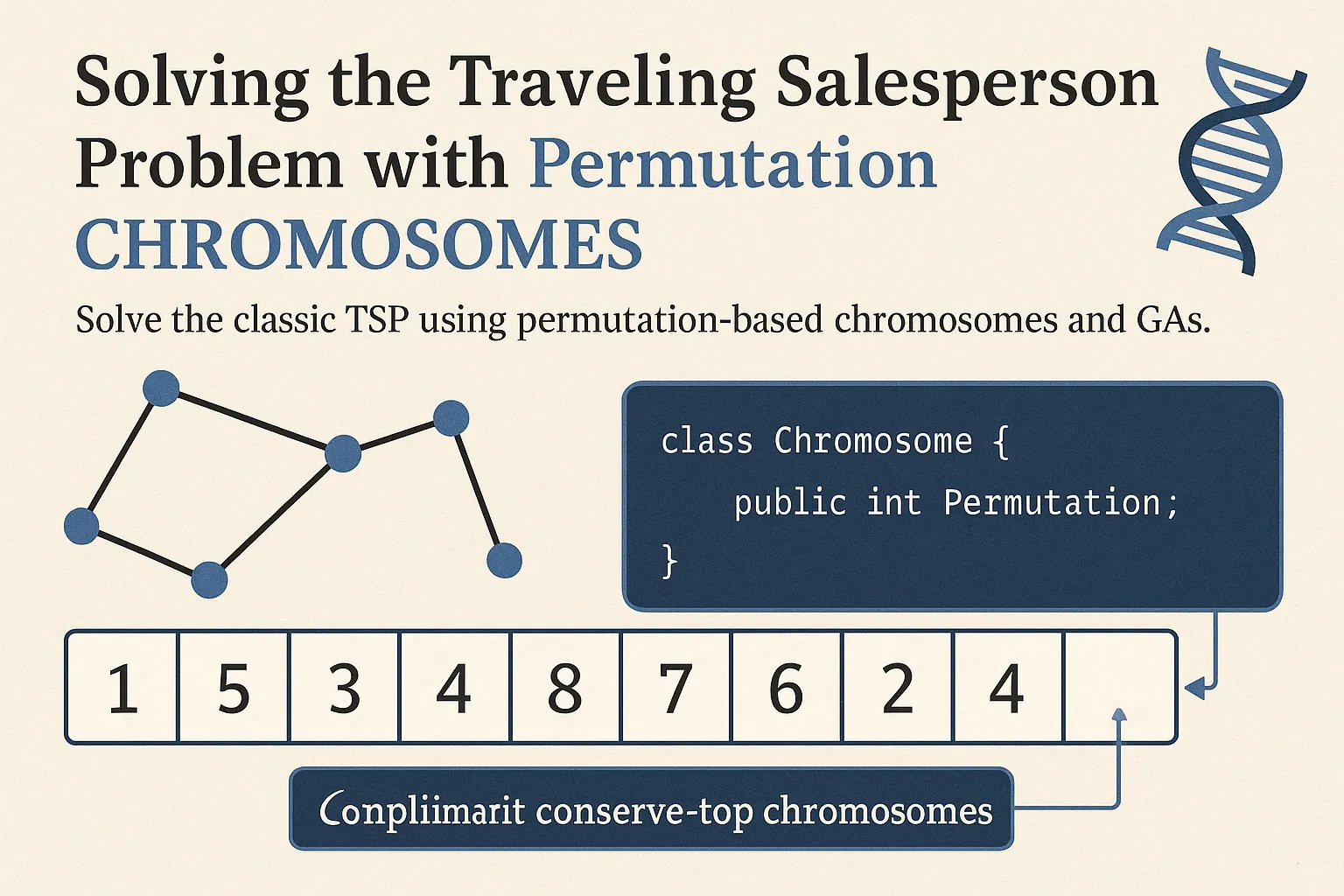
The Traveling Salesperson Problem, also known as TSP, is one of the most extensively studied combinatorial optimization problems in computer science. Given a set of…
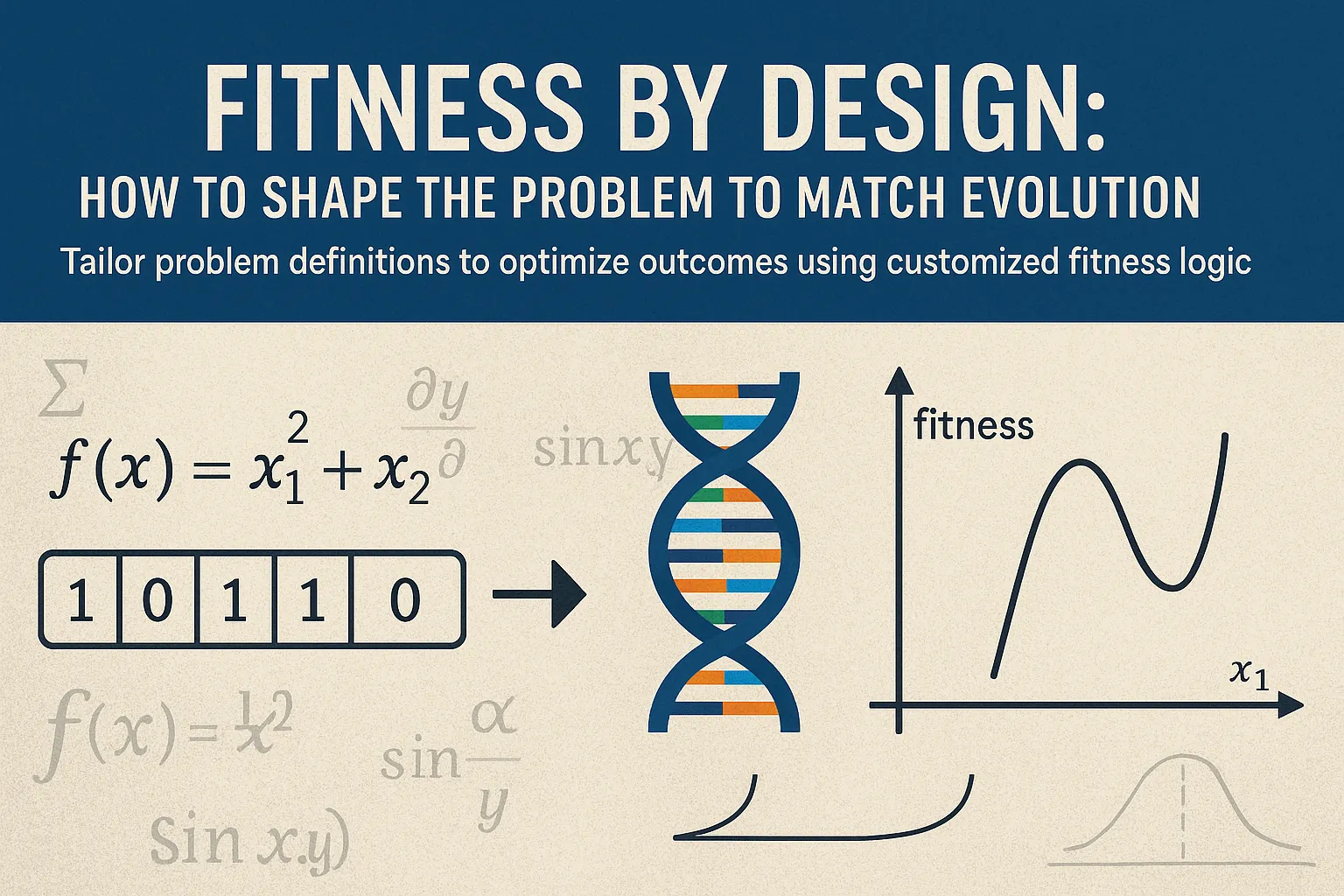
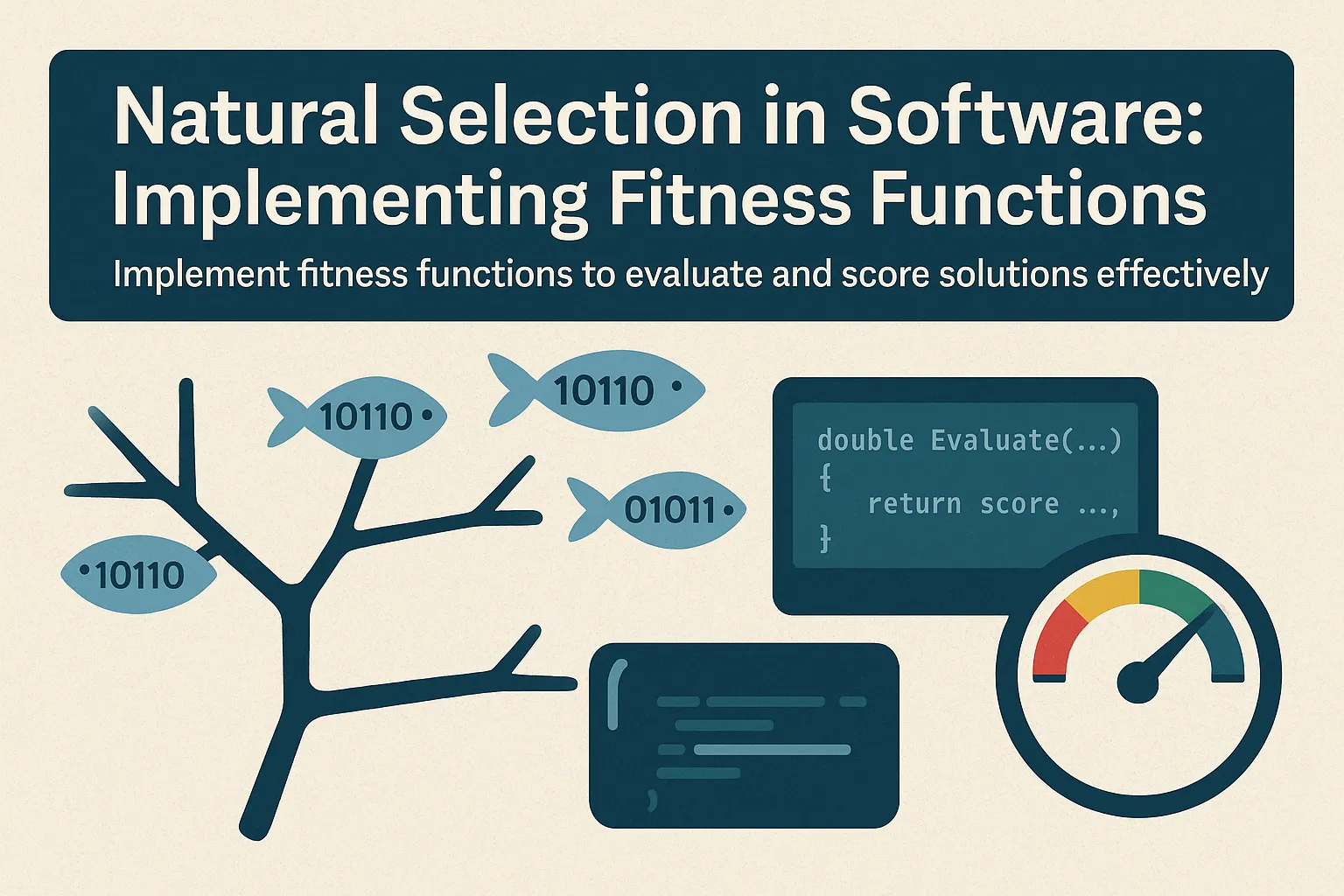
In genetic algorithms, the fitness function is not just a scoring system. It is the definition of success. Your entire evolutionary process hinges on how well the…
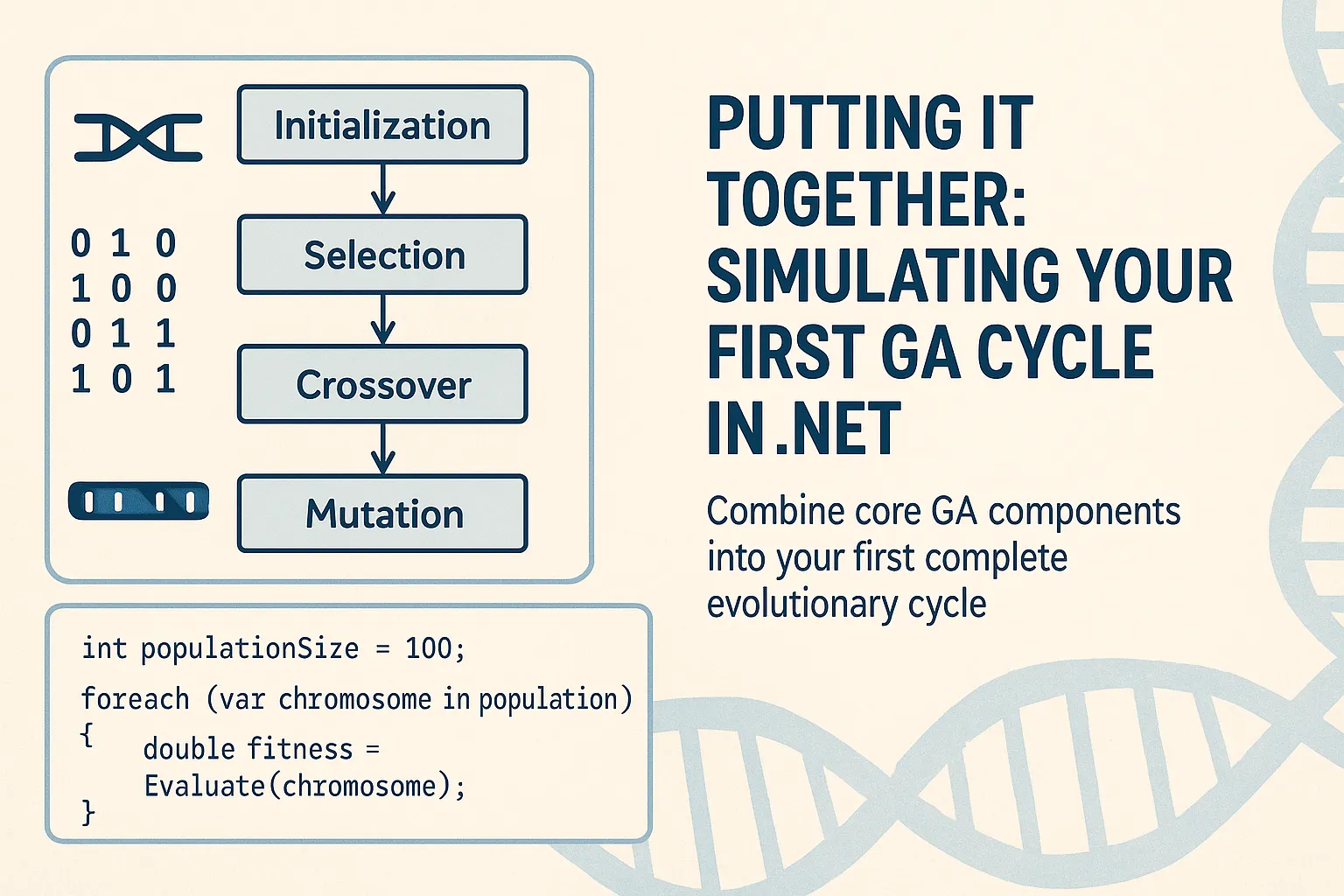
Now that you’ve built the complete set of genetic algorithm components, chromosomes, fitness functions, mutation, crossover, selection, and a configurable loop, it’s…
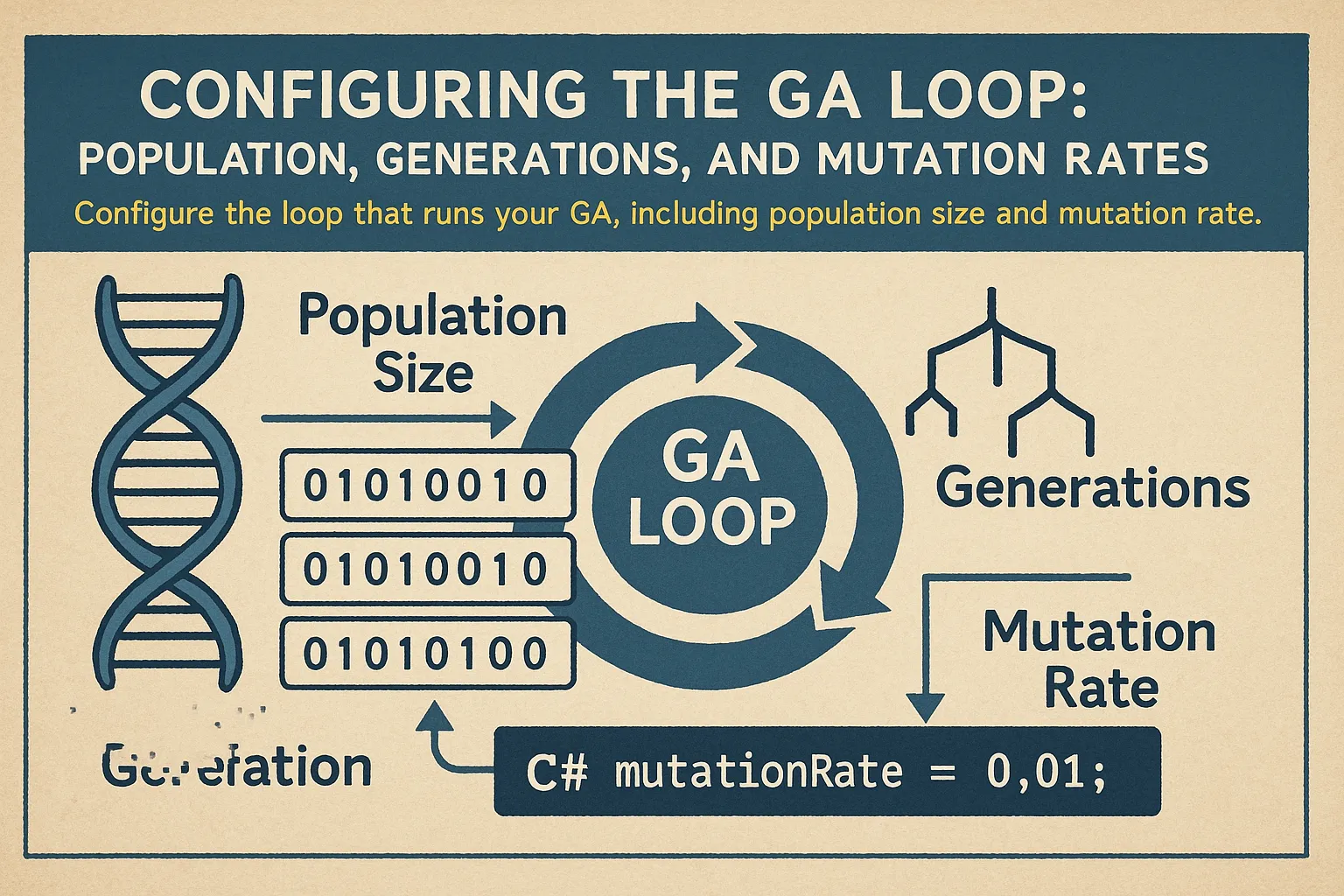
A genetic algorithm is only as effective as the loop that drives it. While selection, crossover, mutation, and elitism form the backbone of a genetic algorithm (GA), it…
Natural selection favors the survival of the fittest, but evolution in the wild is not always efficient. In genetic algorithms, we can bias the process toward faster…
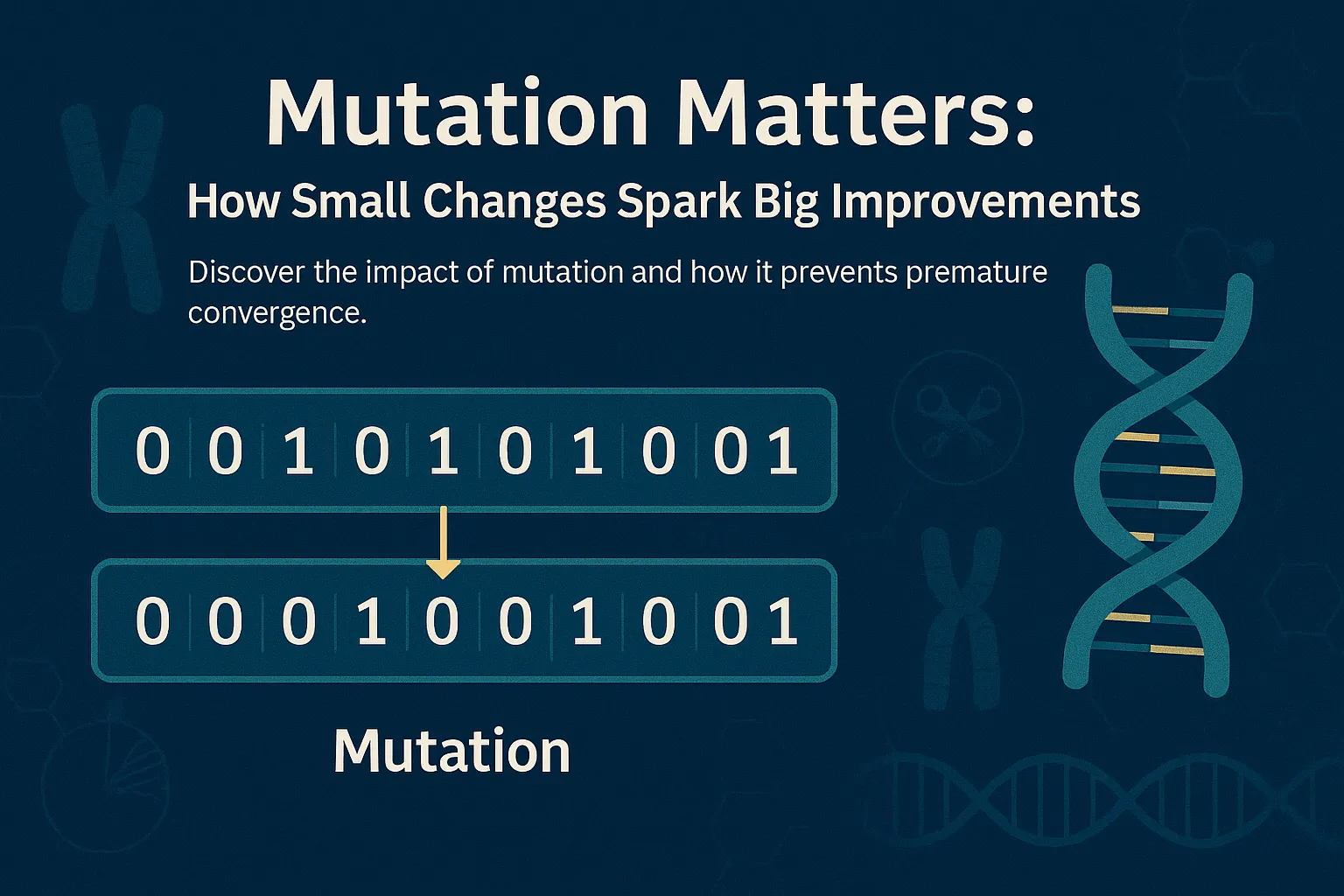
In yesterday’s post, we explored the importance of mutation in genetic algorithms. Mutation helps maintain genetic diversity, prevent premature convergence, and enable…
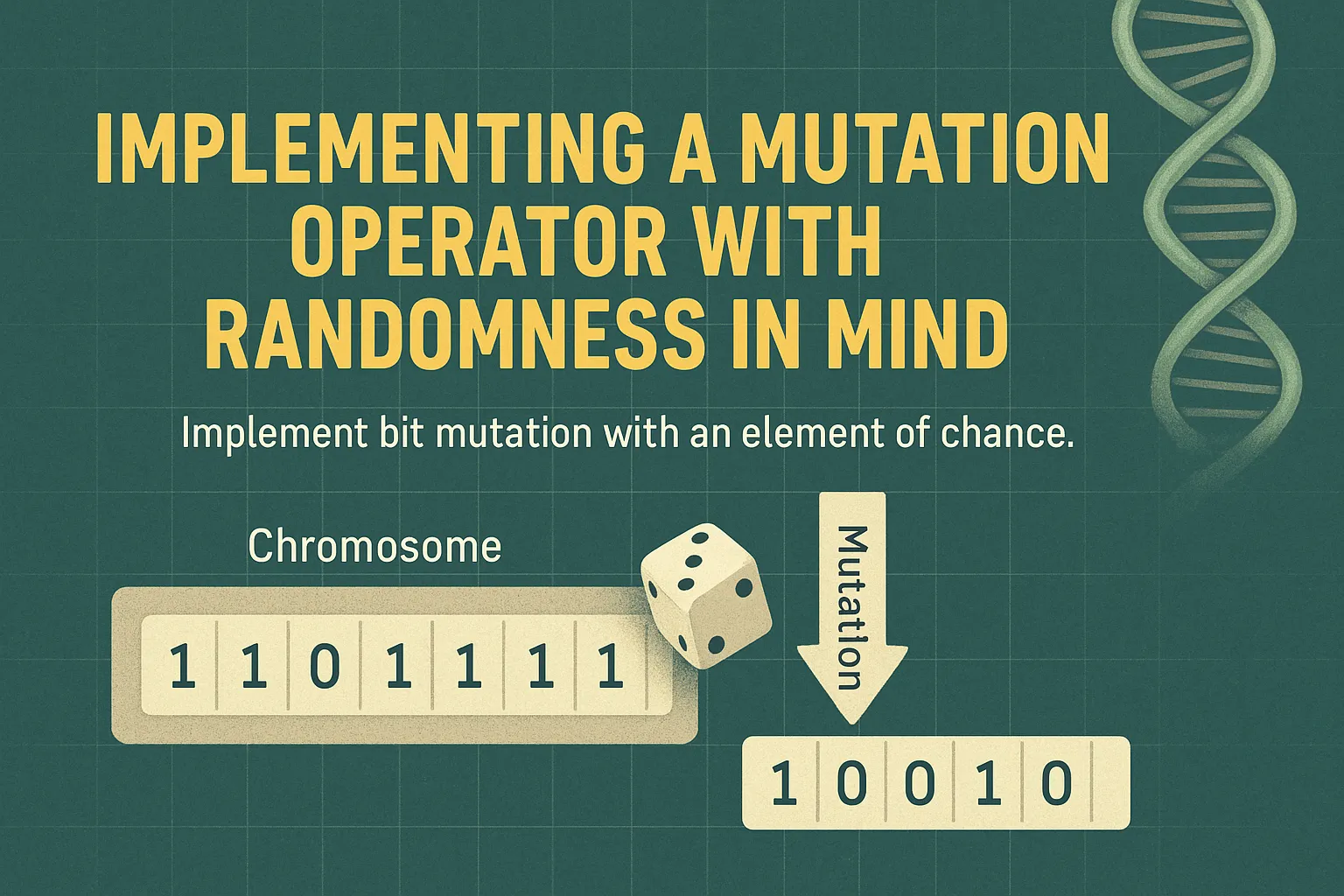
In biological evolution, mutations are rare, random changes in DNA that introduce new traits. While many mutations are neutral or even harmful, some spark evolutionary…
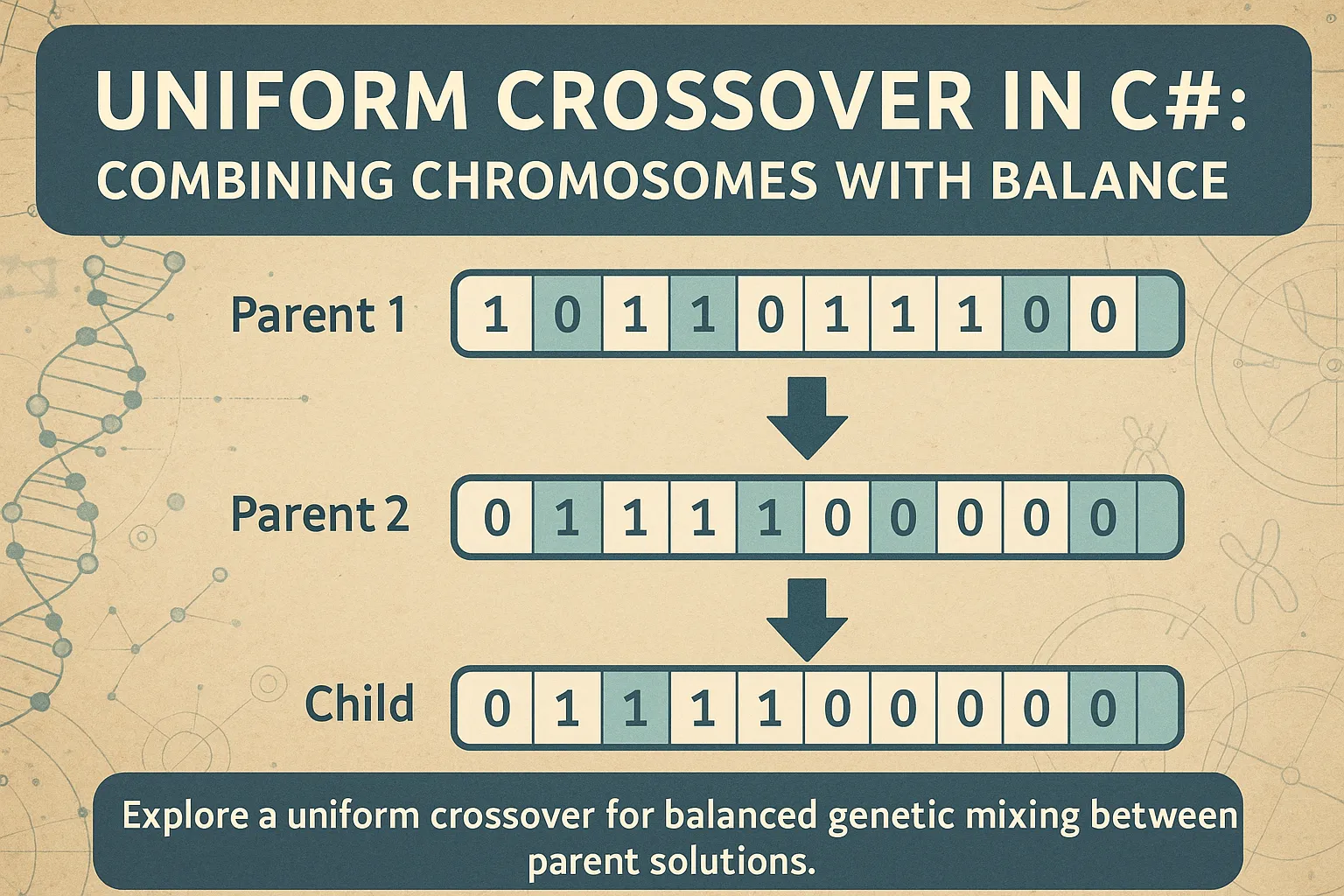
So far, we’ve explored one-point and two-point crossover strategies, which split chromosomes at predefined positions. These methods are effective for maintaining gene…
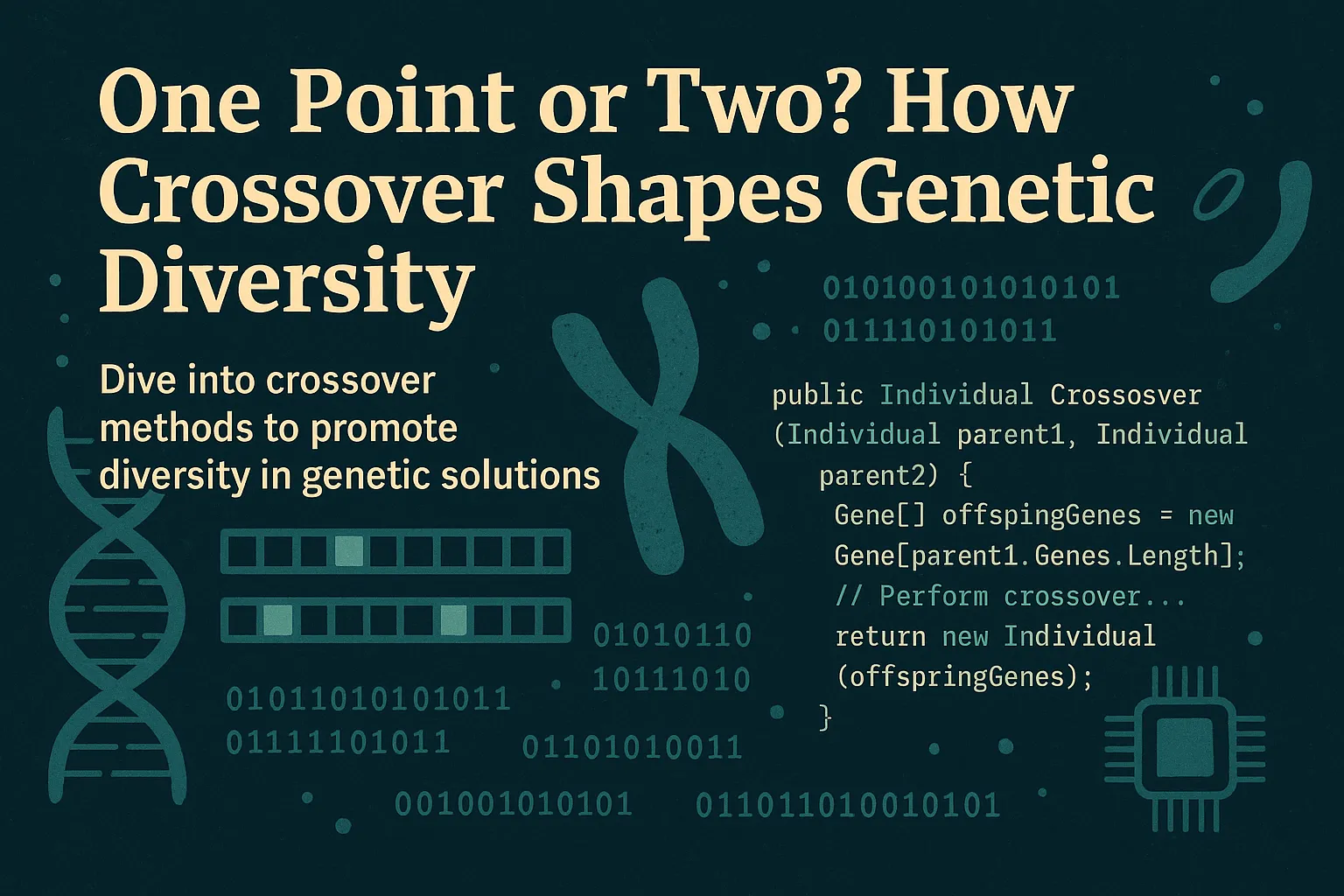
In the evolutionary process, crossover is the mechanism by which parents pass on their traits to offspring. In genetic algorithms, crossover plays the same role…
By now, you’ve learned the foundational components of genetic algorithms: chromosomes, genes, fitness functions, mutation, crossover, and selection. Today, it’s time to…
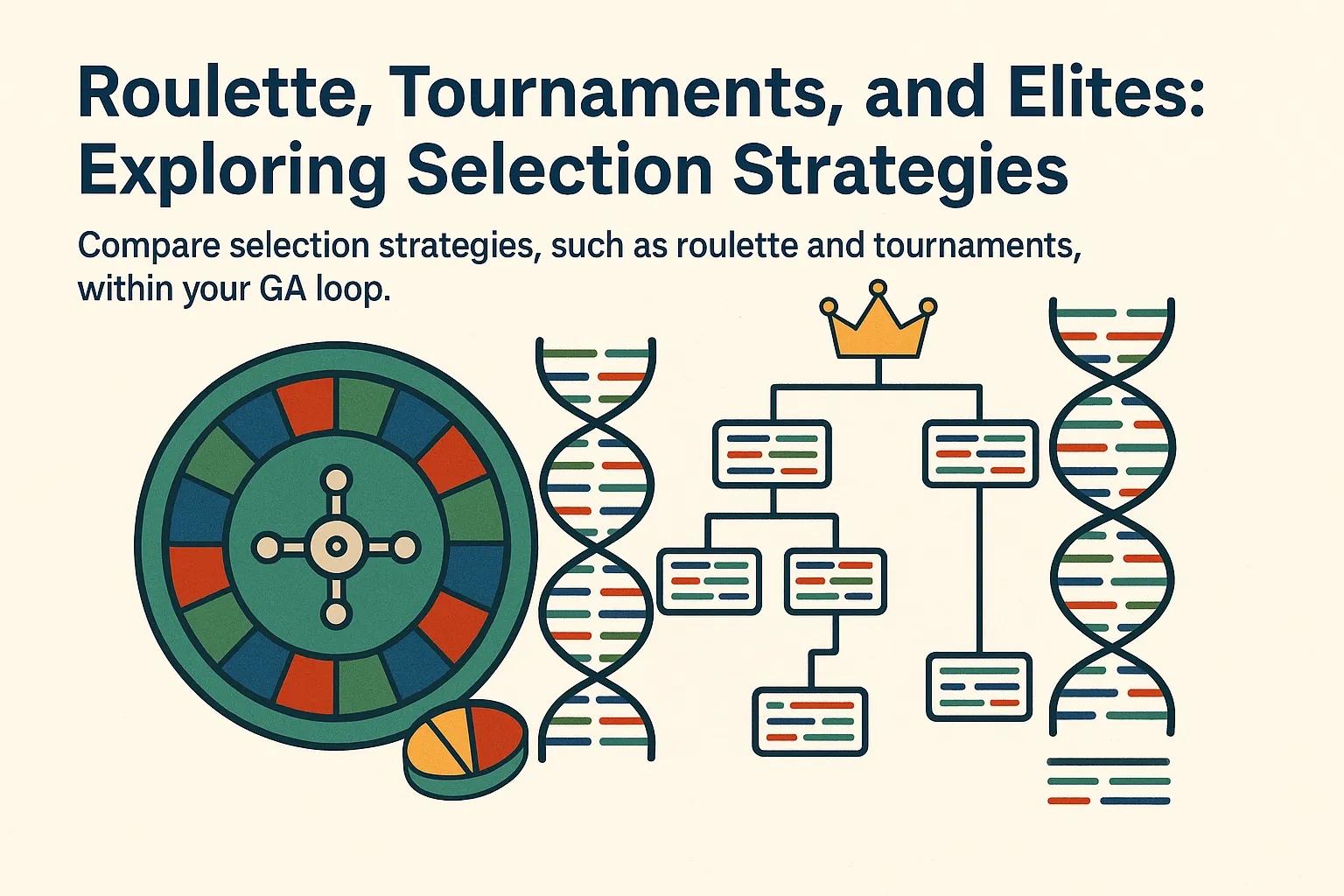
Once you’ve calculated the fitness of each chromosome in your population, the next step in the genetic algorithm lifecycle is selection—deciding which chromosomes get to…
In the natural world, organisms survive and reproduce based on their ability to adapt to their environment. This principle of natural selection is central to the…
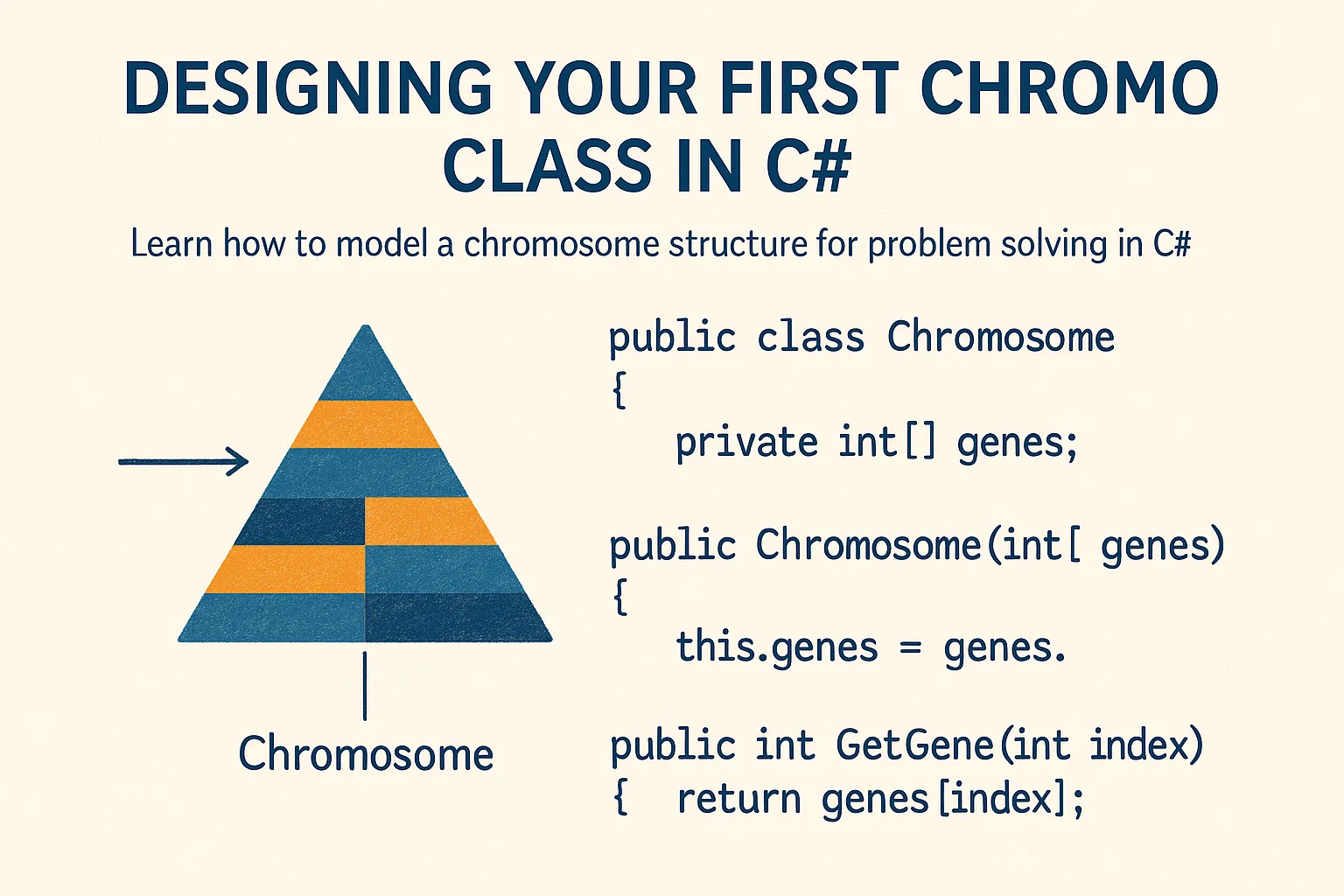
Now that we’ve explored the concept of genes and chromosomes in the context of genetic algorithms, it’s time to write some real code. Today’s goal is to design a…
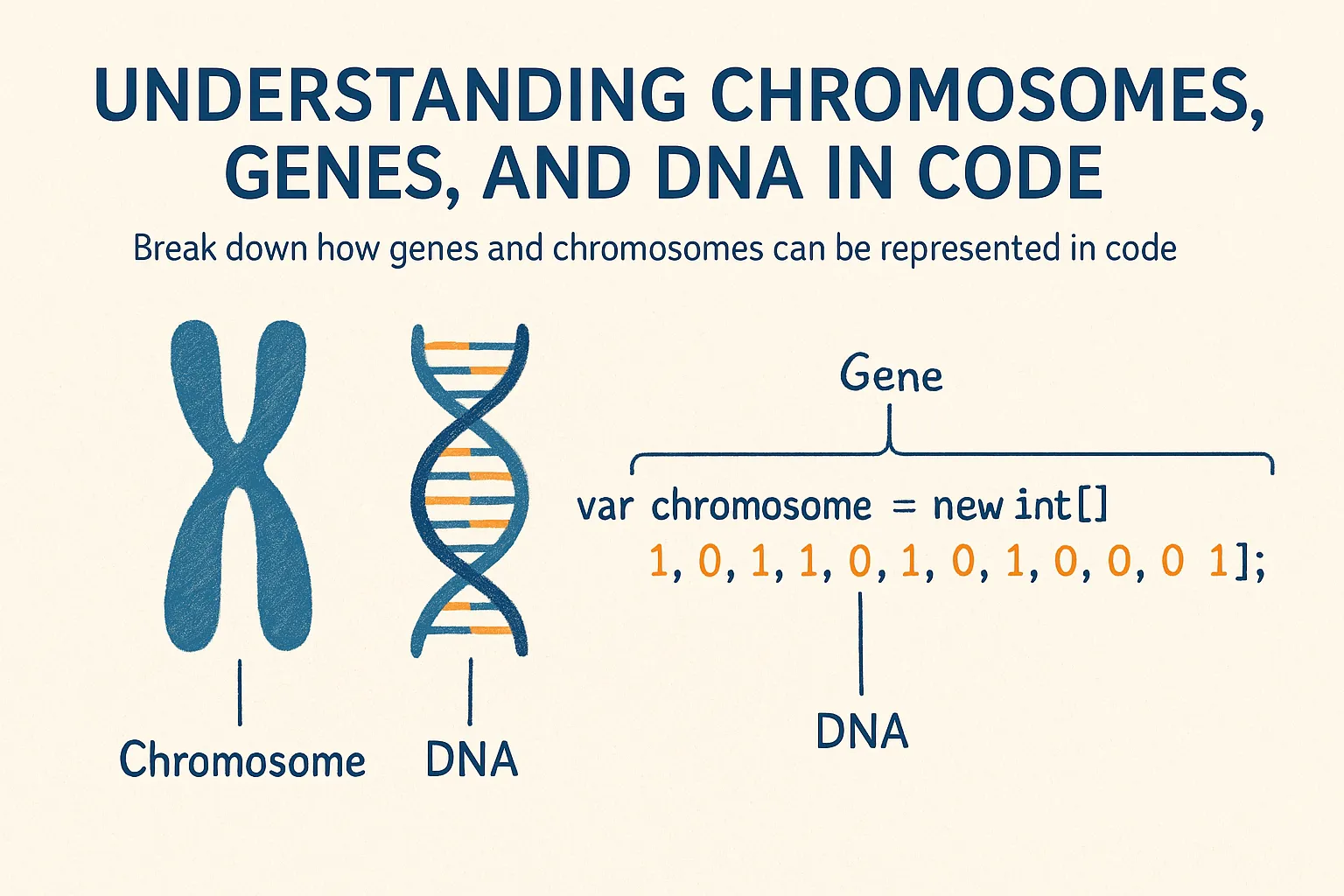
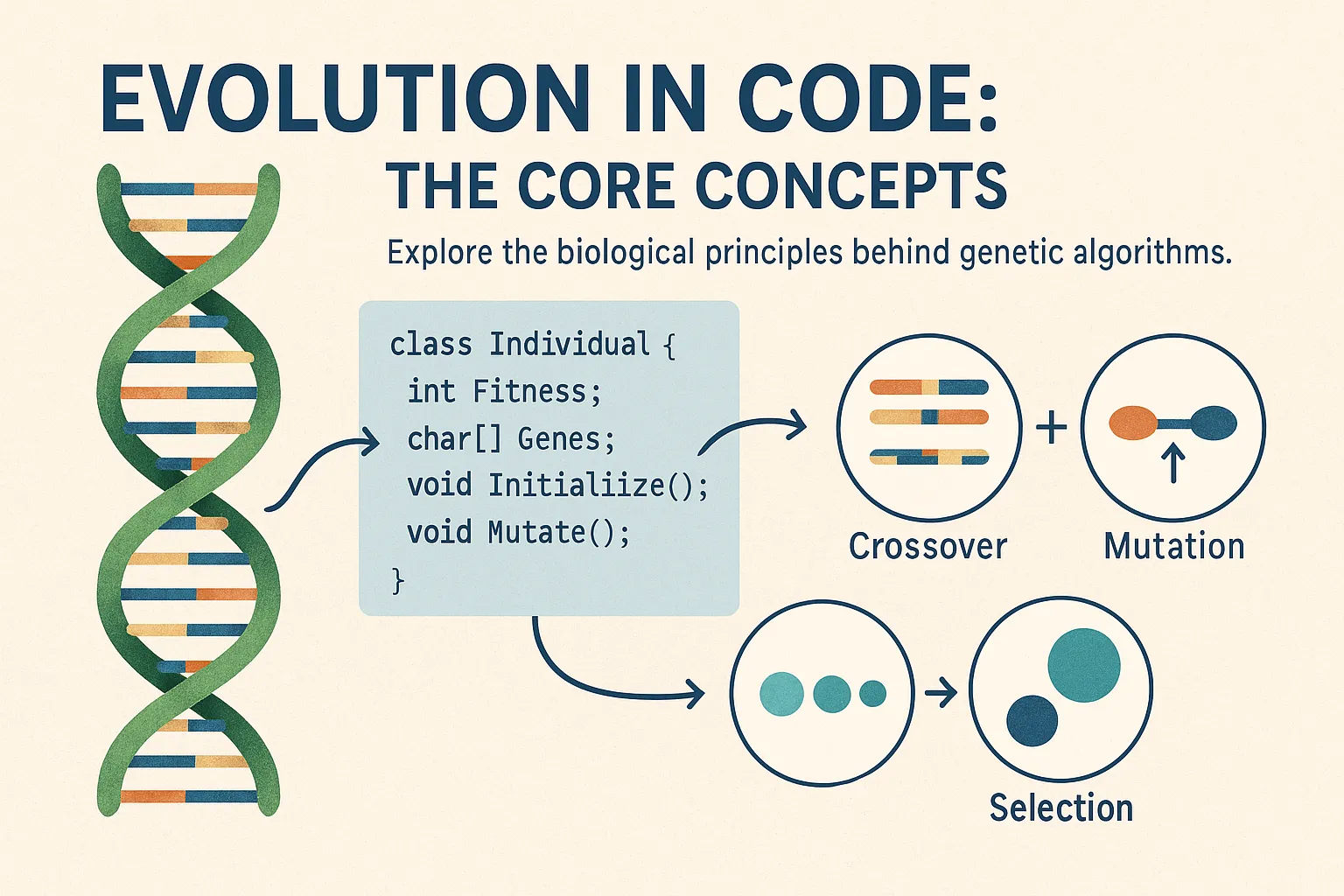
At the heart of every genetic algorithm lies the concept of evolution, and at the heart of evolution lies DNA. For software developers, the equivalent building blocks…
At their core, genetic algorithms are built on five foundational principles that closely resemble biological evolution: In biology, genes are units of information, and…
It has come to my attention recently that many good folks have grown anxious over this new contrivance known as Artificial Intelligence. They eye these ingenious…
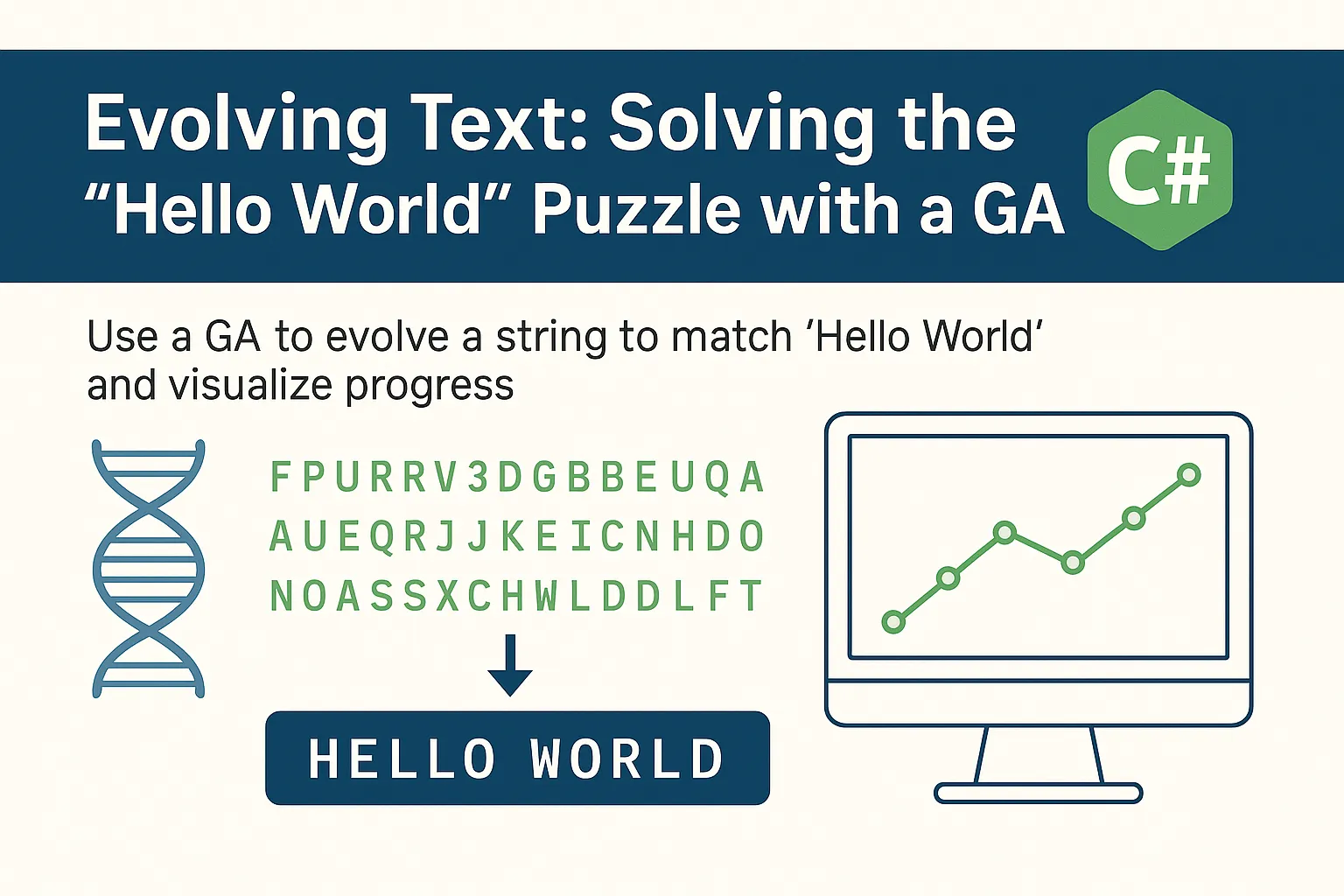
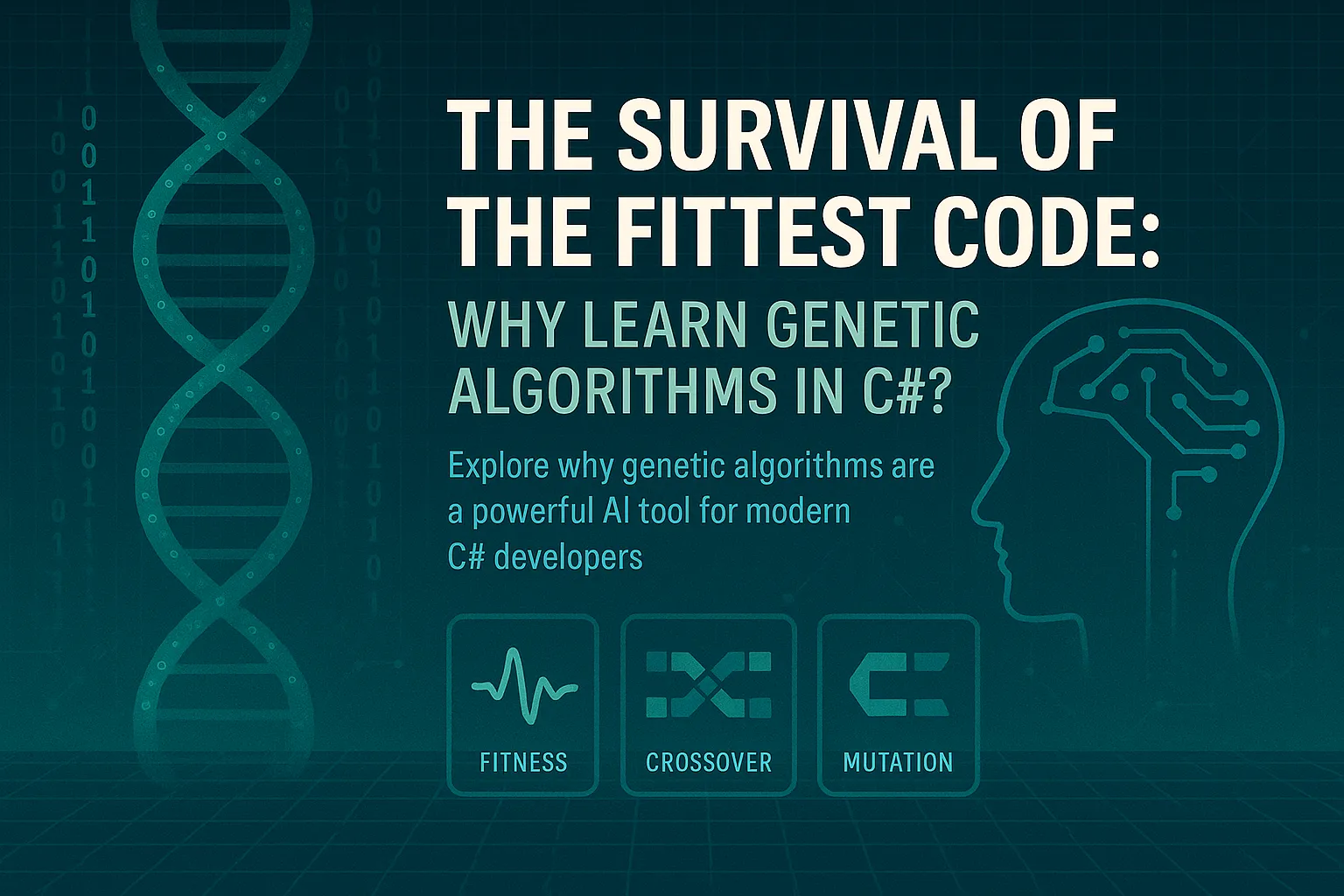
What if you could write code that evolves? Not just code that runs, but code that iteratively improves its own solutions to complex problems without requiring you to…
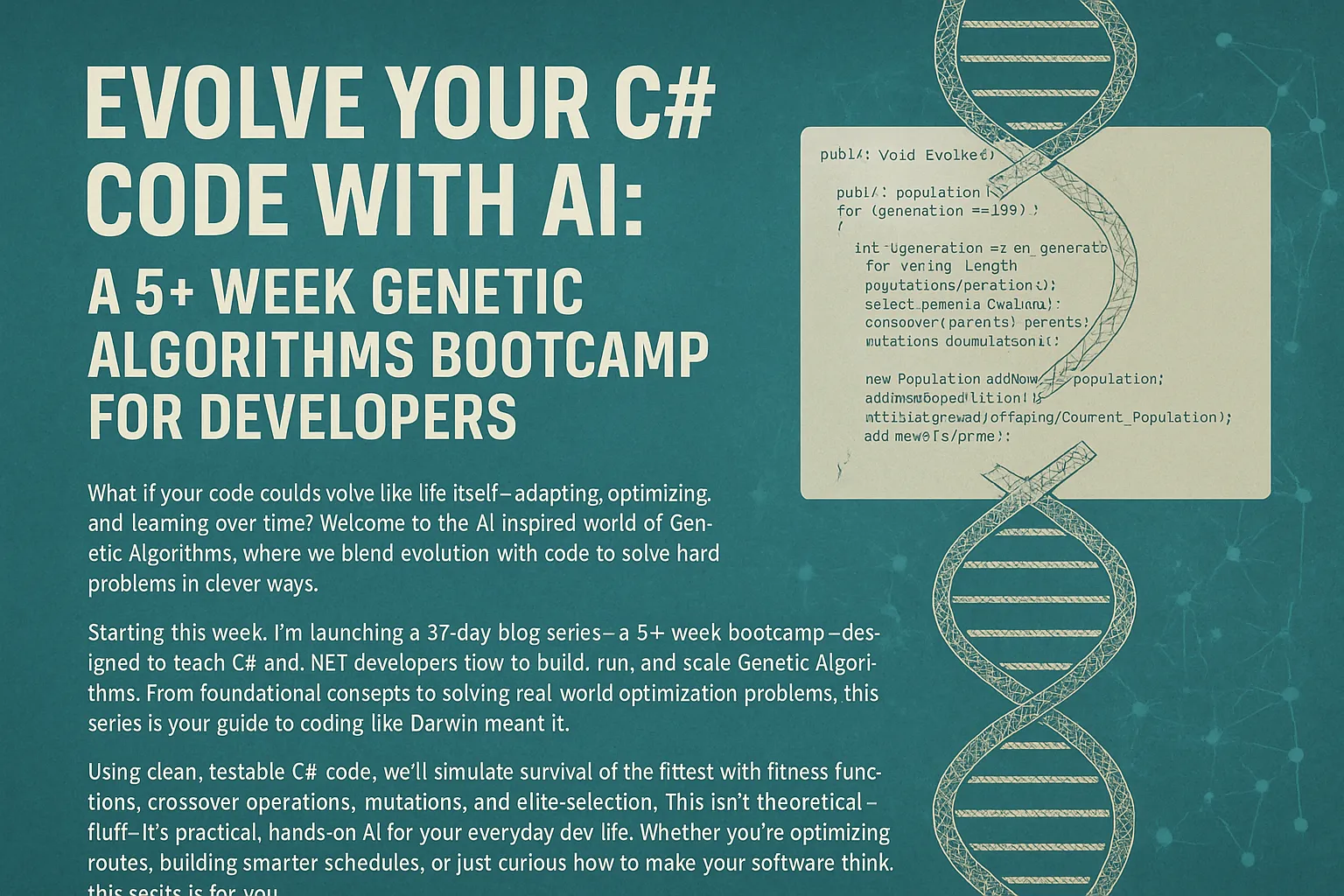
What if your code could evolve like life itself, adapting, optimizing, and learning over time? Welcome to the AI-inspired world of Genetic Algorithms, where we blend…