The REST Formula: Six Principles That Keep the Web Running Smoothly
REST isn’t just a set of suggestions—it’s built on a strict set of architectural principles that make it scalable, flexible, and resilient. These six constraints define what makes an API truly RESTful and ensure it can handle anything from simple web apps to large-scale distributed systems. Let’s break them down and see why they matter.
Continue Reading
REST: From Dissertation to Dominating the Web
The internet runs on a lot of things—electricity, servers, cat videos—but when it comes to how web applications communicate, REST has been leading the way for over two decades. But where did REST come from? And how did it go from an academic concept to powering the world’s most significant web services? Let’s dive into the origin and evolution of REST.
Continue Reading
REST Explained: Why the Web Runs on This Simple Idea
If you’ve worked with web services, you’ve probably heard of REST. It’s everywhere—from APIs powering your favorite apps to backend systems handling millions of users. But what exactly is REST, and why is it the go-to approach for modern web development? Let’s break it down.
Continue Reading
Decoding HTTP Response Codes: What Your Browser Isn’t Telling You
Every time you visit a website, your browser and the server have a little chat. Sometimes, that conversation goes smoothly; sometimes, there’s a misunderstanding, and sometimes, everything falls apart. HTTP response codes communicate success, confusion, or complete failure.
If you’ve ever seen a dreaded 404 Not Found or a mysterious 500 Internal Server Error, you’ve already encountered them. But what do these numbers actually mean, and why should you care? Let’s break it down.
Continue Reading
Breaking Down HTTP: What Really Happens in a Request and Response
When you visit a website, stream a video, or send a form, your browser and a server are having a conversation. But what are they actually saying? Every interaction on the web boils down to HTTP requests and responses, which work together like a question-and-answer session between your browser (the client) and the server. Let’s break them down.
Continue Reading
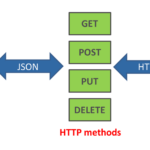
HTTP Methods: The Verbs That Make the Web Go Round
If HTTP were a language, its methods—also known as verbs—would be the action words that keep the internet running. Every time you load a webpage, submit a form, or delete a post, you’re using one of these methods. Understanding them is key to working with web APIs, debugging issues, and just generally feeling like a web wizard. Let’s break them down.
Continue Reading
HTTP Demystified: The Secret Sauce of the Web
The internet—our beloved realm of cat videos, memes, and, occasionally, productivity—wouldn’t be the same without HTTP. It’s the invisible magic behind every website you visit. But what exactly is it, and how does it work? Buckle up because we’re about to take a joyride through the world of HTTP!
Continue Reading
Disaster-Proof Your Cloud: Automating Recovery with Terraform
Picture this: Your production system crashes at 2 AM. Servers are down. Databases are unreachable. Your inbox is exploding with alerts. Panic mode activated.
That’s the power of Automated Disaster Recovery with Terraform.
Continue Reading
Terraform Evolution: Growing Your Infrastructure Without the Chaos
Terraform is amazing for spinning up infrastructure fast, but what happens when your small project grows into a full-blown production system?
Continue Reading
Terraform in Action: Real-World Success Stories from the Cloud
Terraform isn’t just a cool tool for spinning up infrastructure—it’s transforming how companies build, scale, and secure their cloud environments. But how does Terraform actually help real companies? In this post, we’ll explore real-world case studies where Terraform helped businesses: Let’s dive into the stories of companies that leveraged Terraform to power their cloud journeys! Case Study 1: Automating Deployments …
Continue Reading